
info@novelgenetech.com +91 40-49948769

Research Publications

Our Latest Publications

Explore our latest research publications featuring recent discoveries and scientific advancements across genomics, multiomics, microbiology, and life sciences. Stay updated with our newest studies, insights, and contributions to cutting-edge biological research.

Published Works

Explore our collection of research papers showcasing the latest advances in genomics, multiomics, microbiology, and life sciences. Each study presents valuable scientific insights, innovative methodologies, and impactful discoveries. Our research reflects a commitment to advancing knowledge and addressing real-world biological challenges. Browse our publications to stay updated on emerging trends, breakthrough findings, and cutting-edge scientific developments.
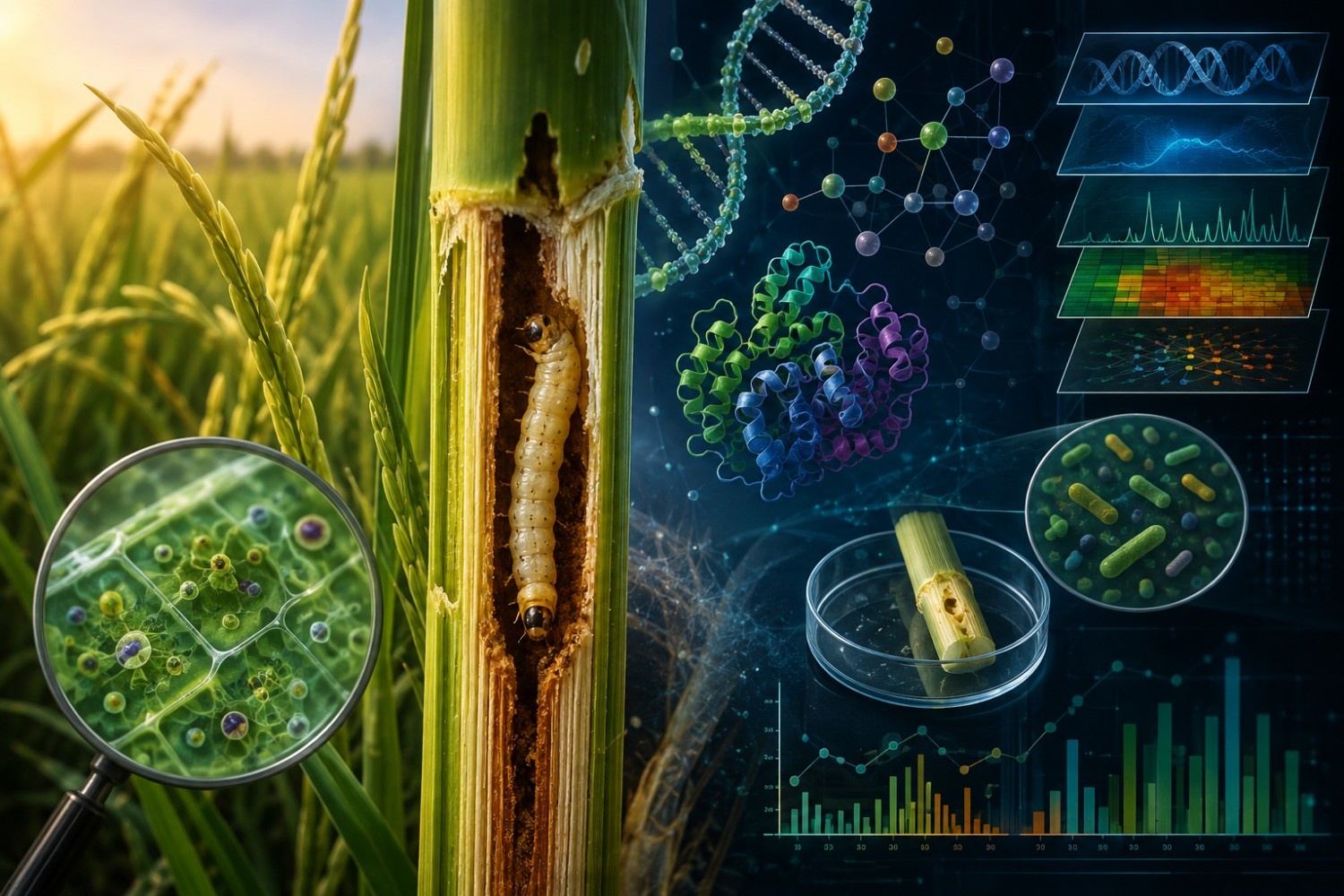
This study uses a multi-omics approach to unravel the molecular mechanisms underlying rice resistance to Yellow Stem Borer infestation. The findings provide genomic and mechanistic insights that could support the development of YSB-resistant rice varieties.

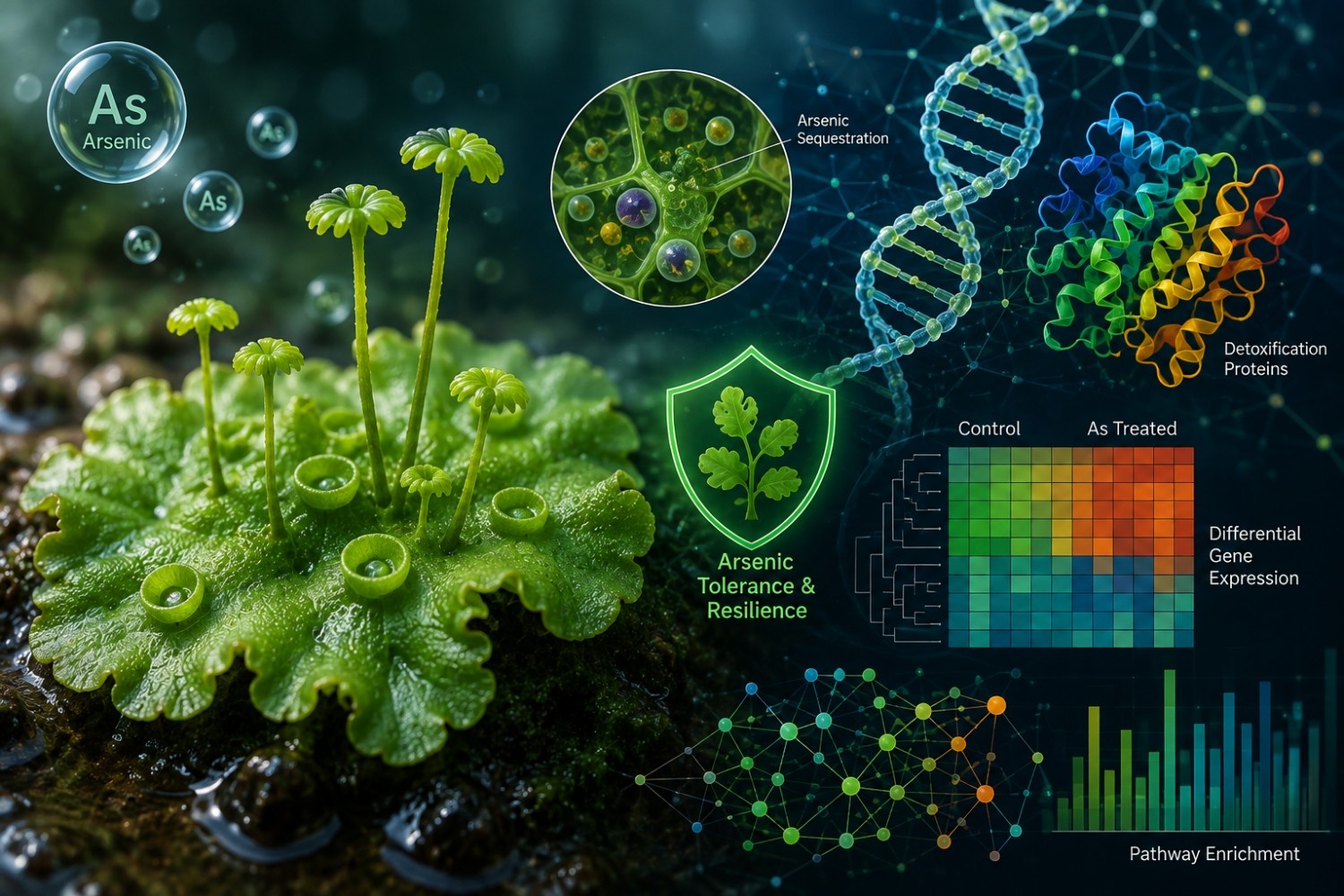
This study reveals the molecular mechanisms underlying arsenic tolerance and resilience in the primitive bryophyte Marchantia polymorpha, providing insights into its adaptive responses to heavy metal stress and the molecular pathways that contribute to arsenic detoxification and tolerance.

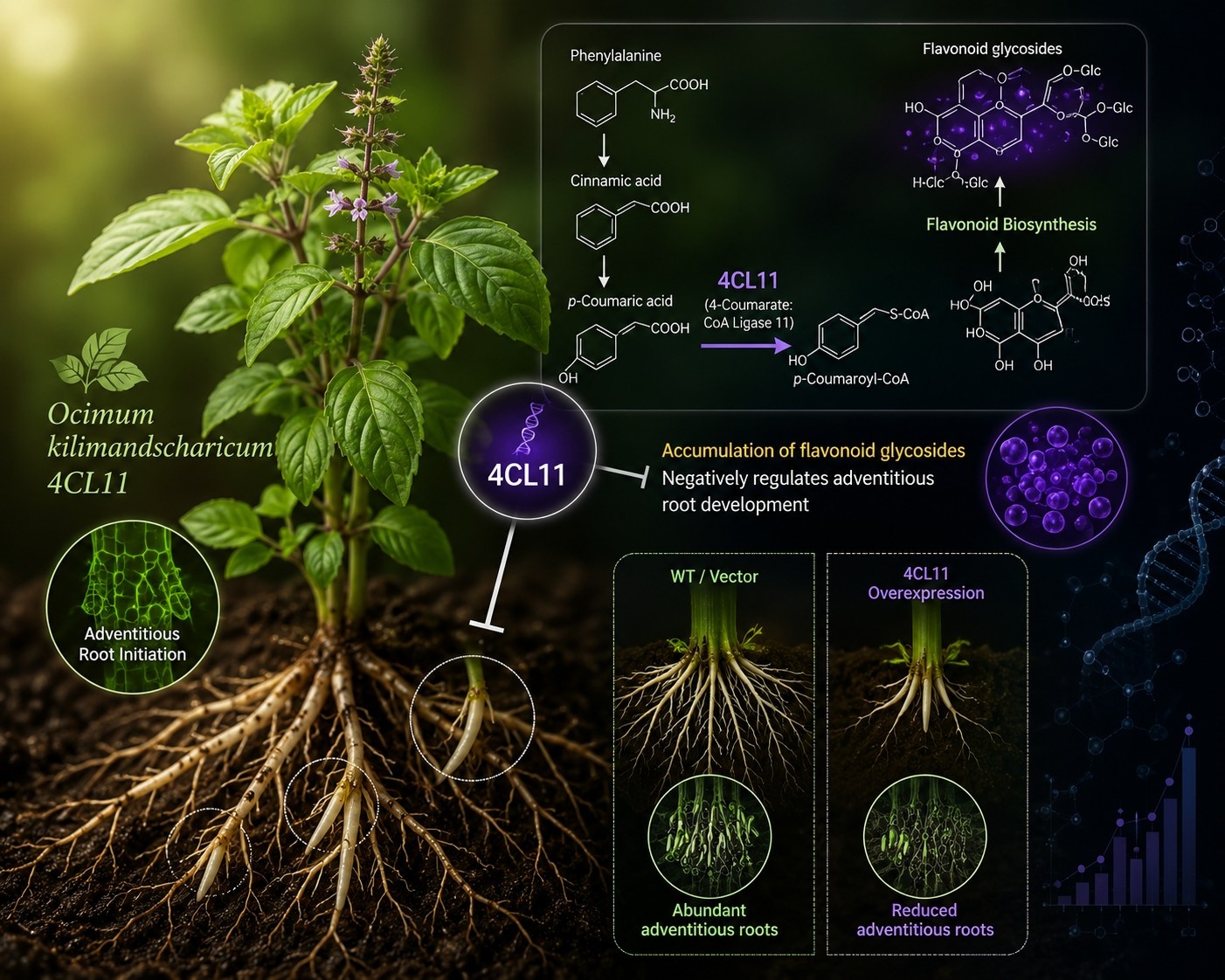
This study reveals that 4CL11 in Ocimum kilimandscharicum negatively regulates adventitious root development through the accumulation of flavonoid glycosides. The findings provide new insights into the role of flavonoid metabolism in controlling root formation and plant development.

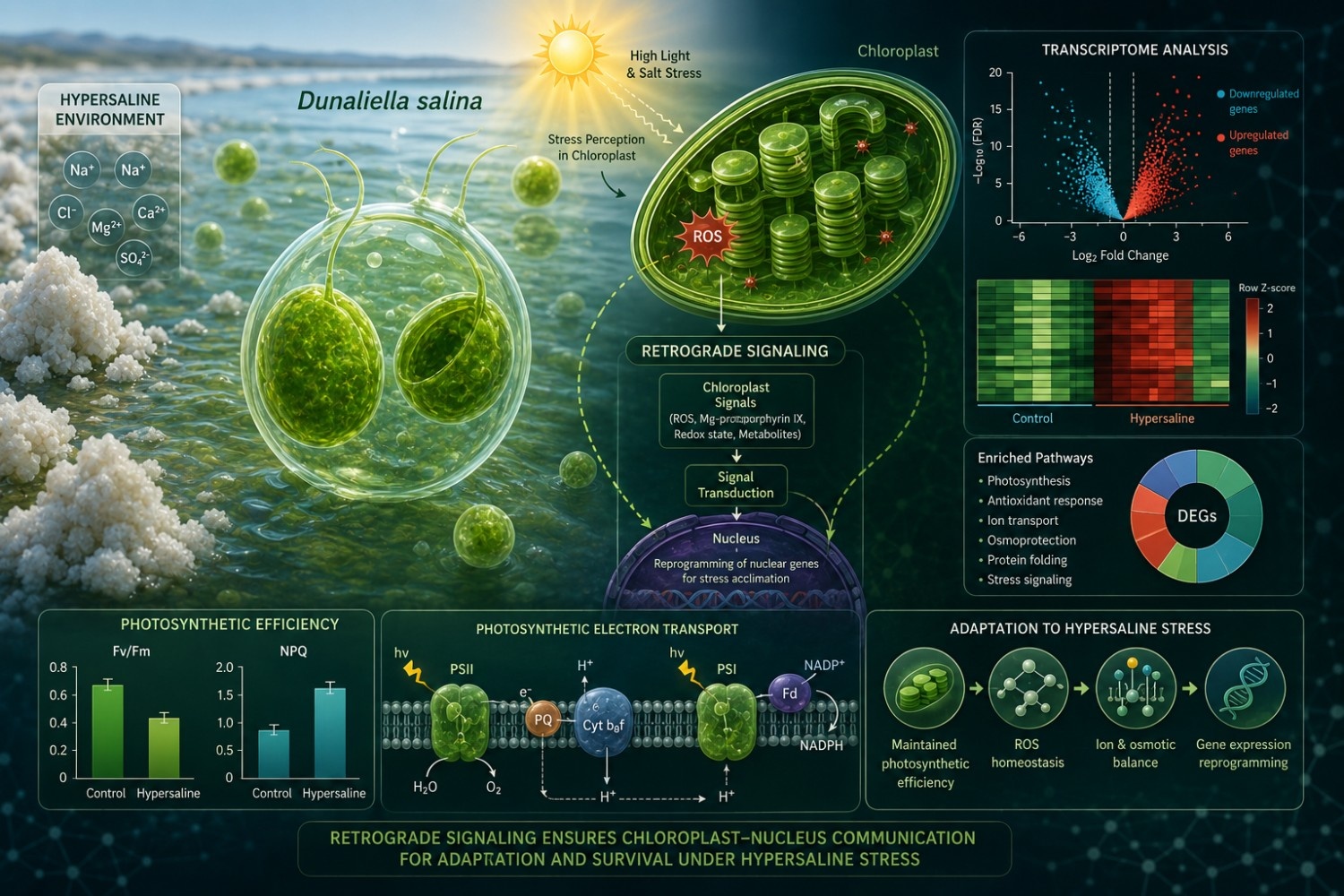
This study investigates the photosynthetic and molecular responses of Dunaliella salina under hypersaline stress through transcriptome analysis. The findings reveal chloroplast retrograde signaling mechanisms that support cellular adaptation and enhance our understanding of salt-stress tolerance in microalgae.

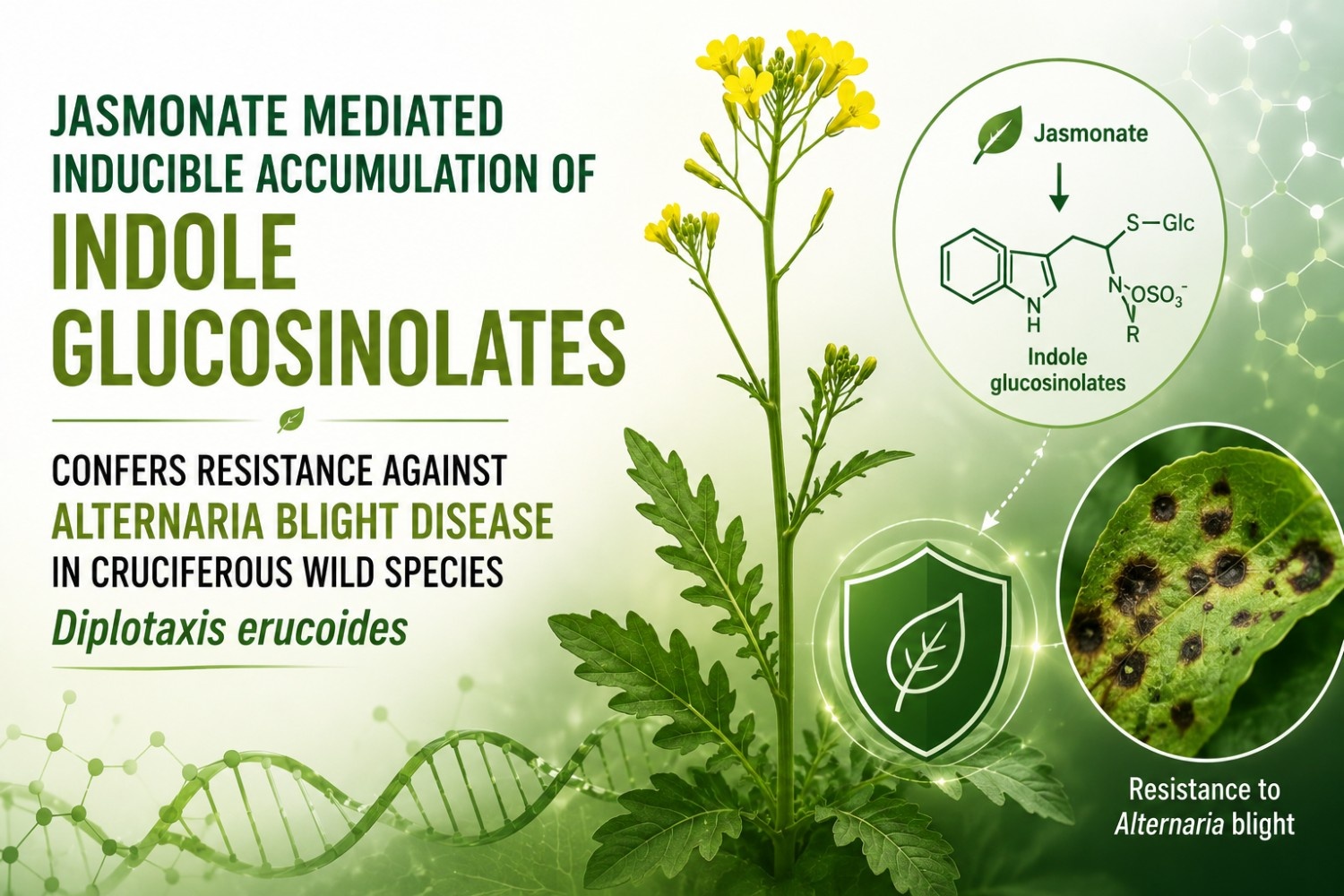
This study reveals how jasmonate signaling induces the accumulation of indole glucosinolates in Diplotaxis erucoides, strengthening its defense against Alternaria blight. The findings provide insights into natural disease resistance mechanisms and their potential for developing resilient cruciferous crops.

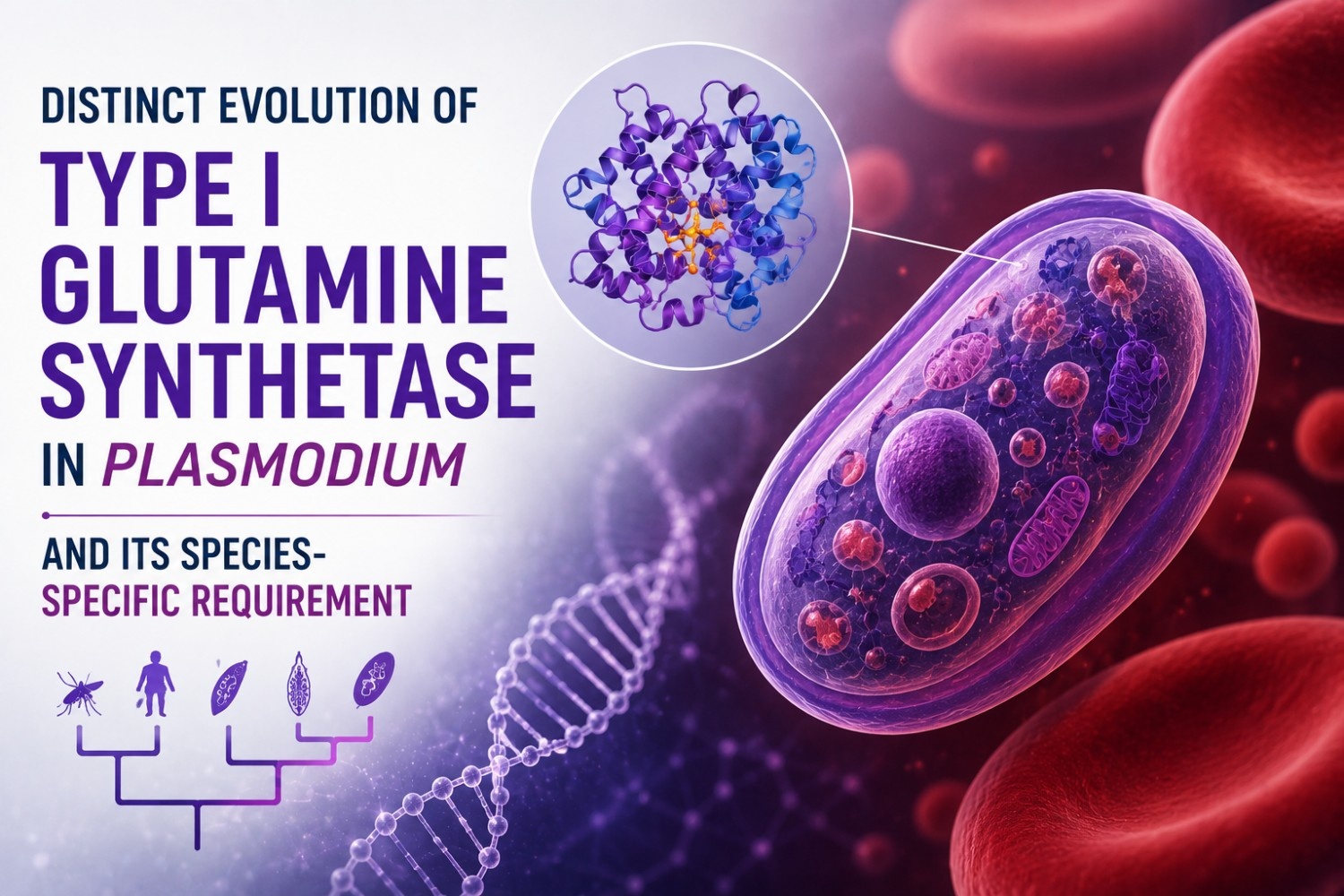
This study uncovers the distinct evolutionary features of type I glutamine synthetase in Plasmodium and reveals its species-specific functional requirements. The findings provide insights into parasite metabolism and highlight potential opportunities for identifying species-selective targets for antimalarial intervention.

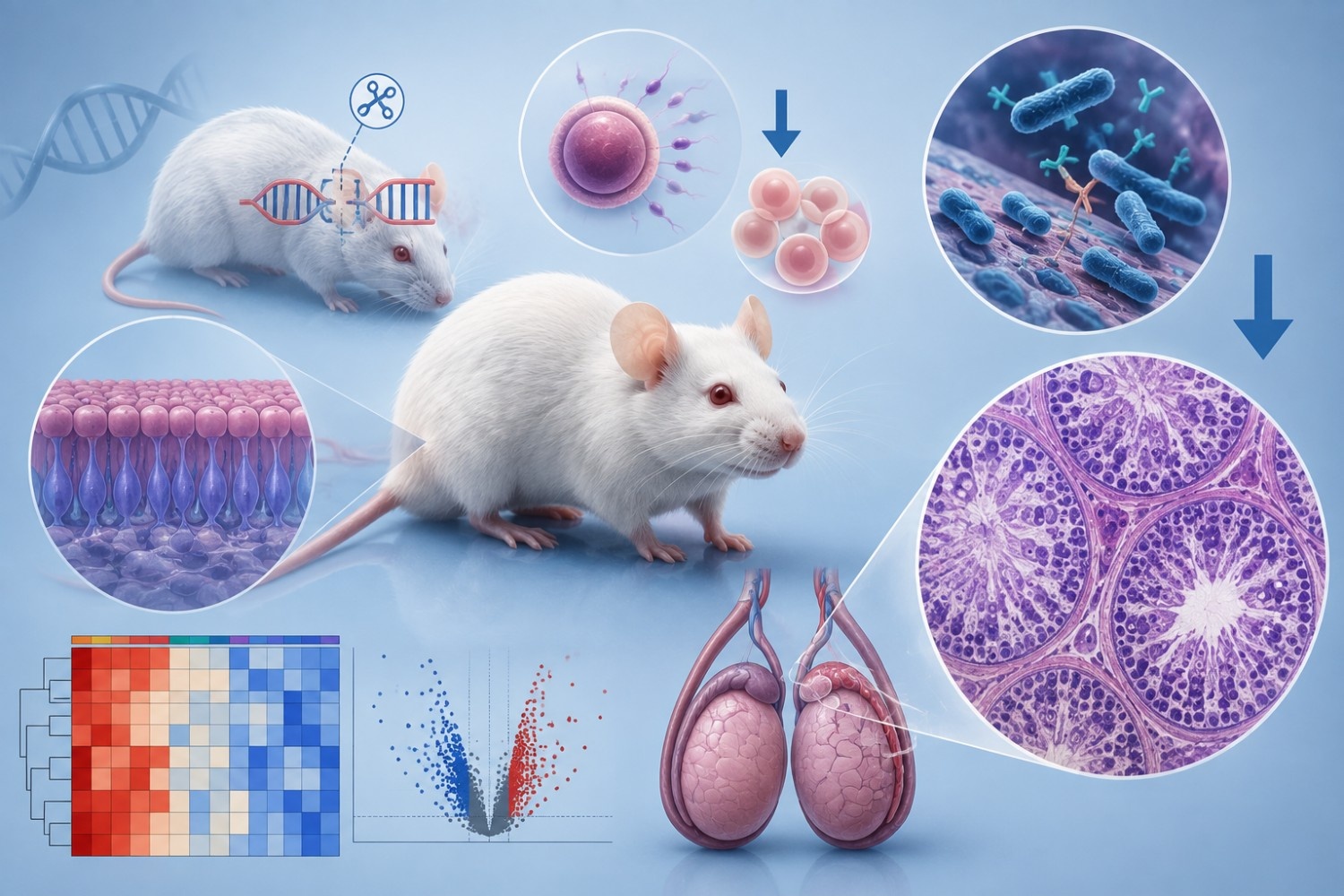
This study investigates the effects of Uroplakin 1a (UPK1A) deficiency in mice, revealing changes in reproductive performance, bacterial clearance, and testicular gene expression. The findings highlight the role of UPK1A in host defense and testicular function, providing insights into its broader biological significance.

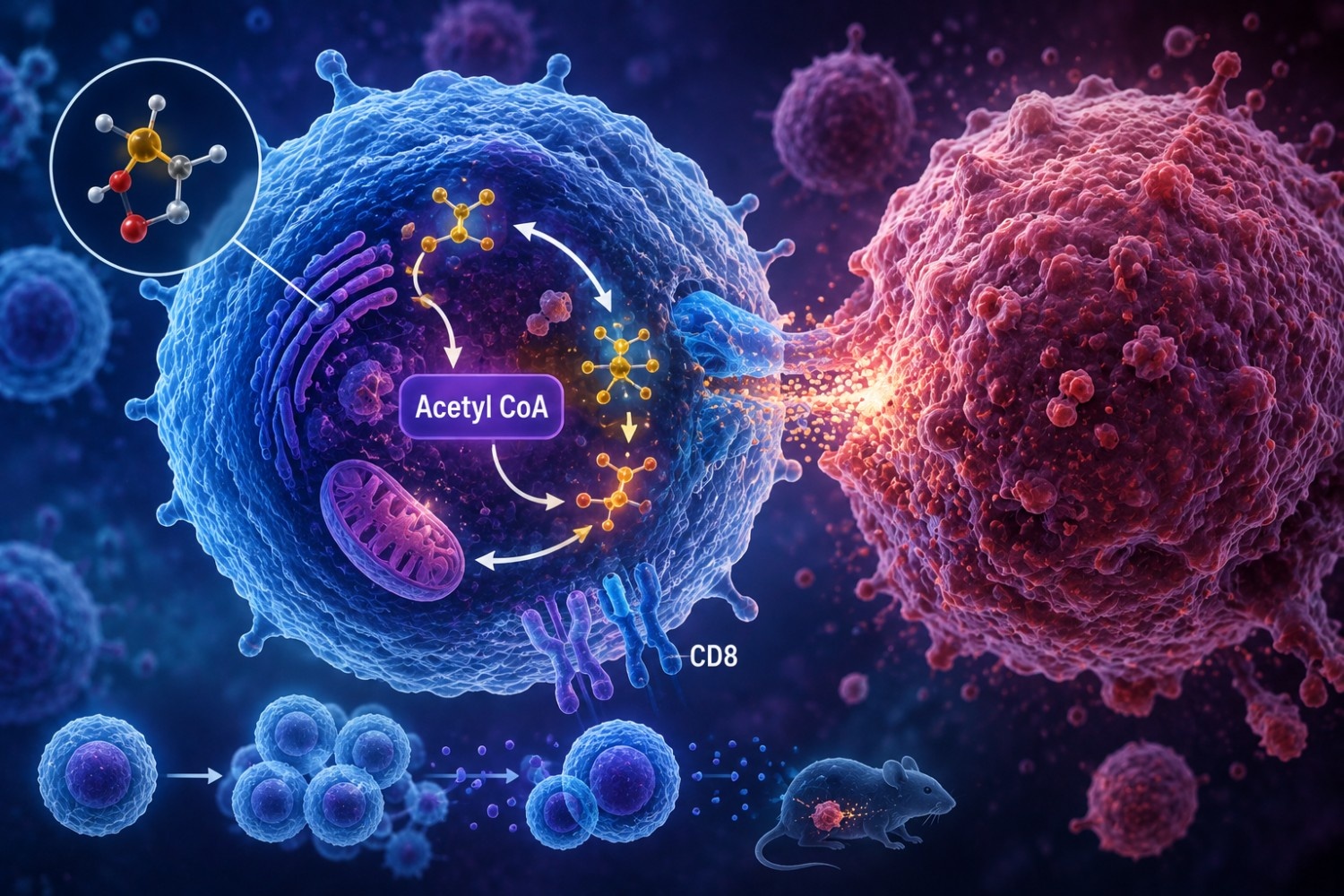
This study reveals that increased intracellular acetyl-CoA enhances the antitumor activity of CD8⁺ T cells, improving their functional response against cancer cells. The findings highlight metabolic regulation as a promising strategy for strengthening T-cell-based cancer immunotherapy.

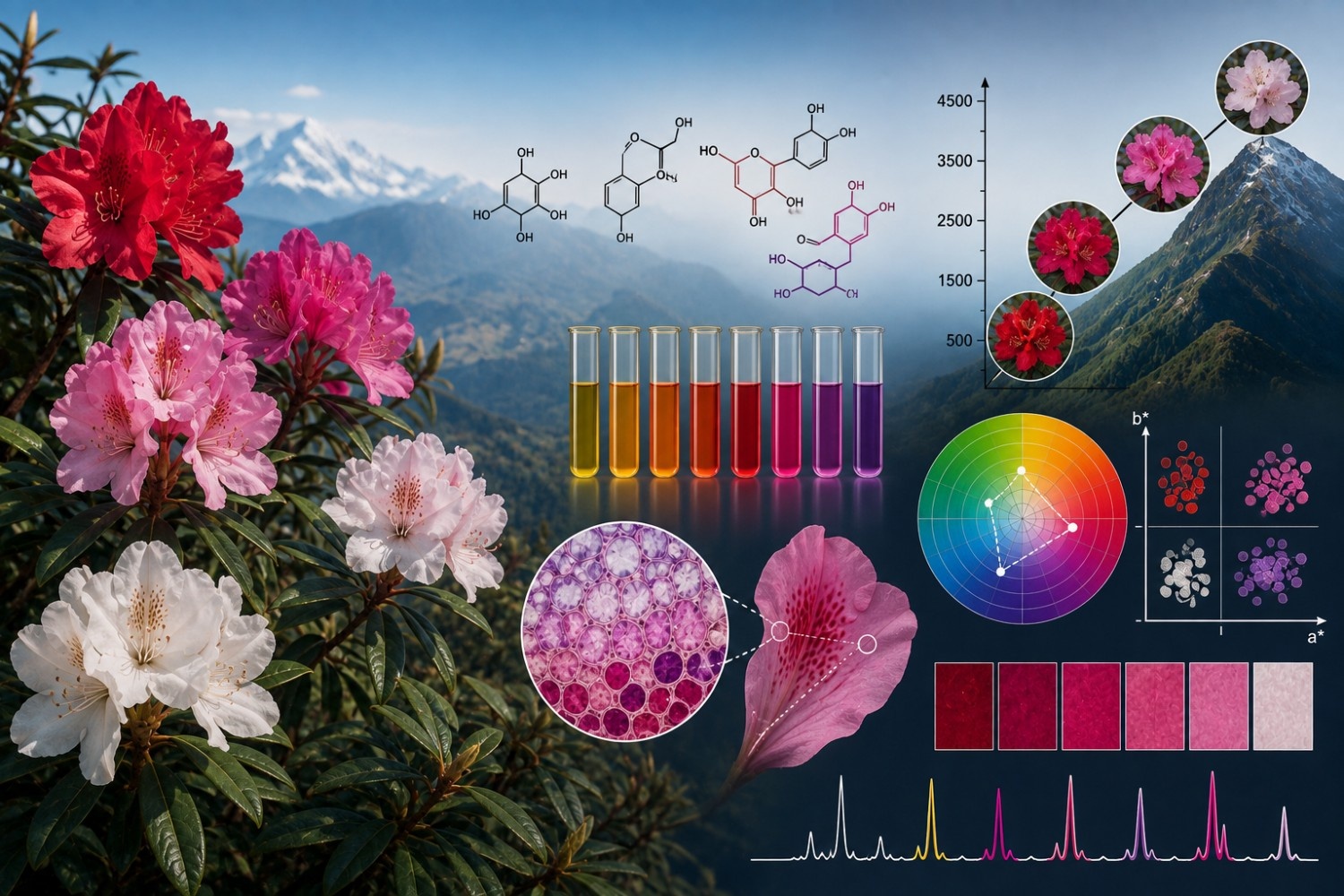
This study explores how polyphenolic compounds influence flower coloration in Rhododendron arboreum across different altitudinal regions. The findings reveal a relationship between polyphenol composition and floral color variation, providing insights into how environmental conditions shape plant biochemical traits.

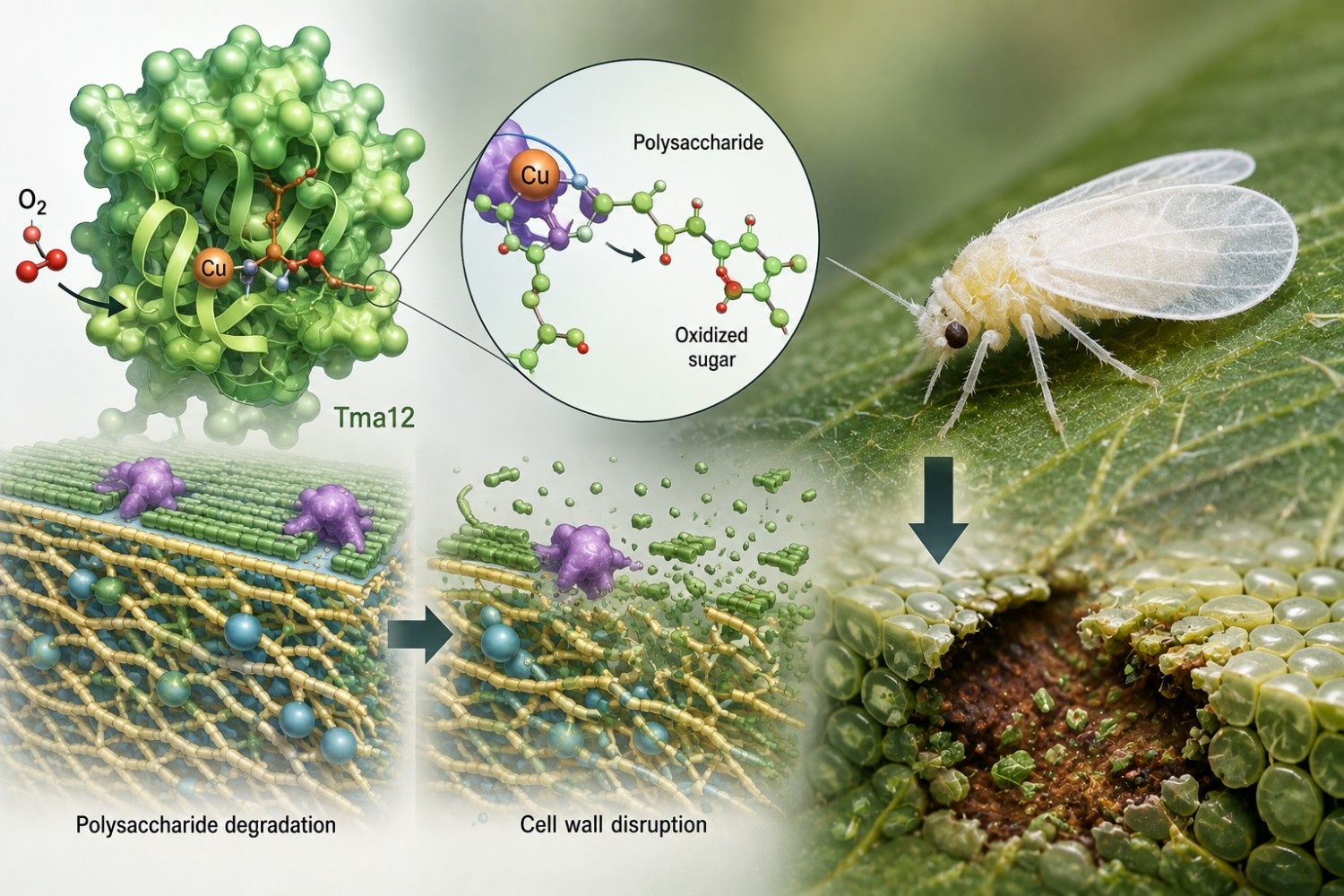
This study reveals that the lytic polysaccharide monooxygenase activity of Tma12 is essential for its toxicity against whiteflies. The findings provide insights into the molecular mechanism of Tma12-mediated insecticidal activity and its potential for developing novel strategies for whitefly control.

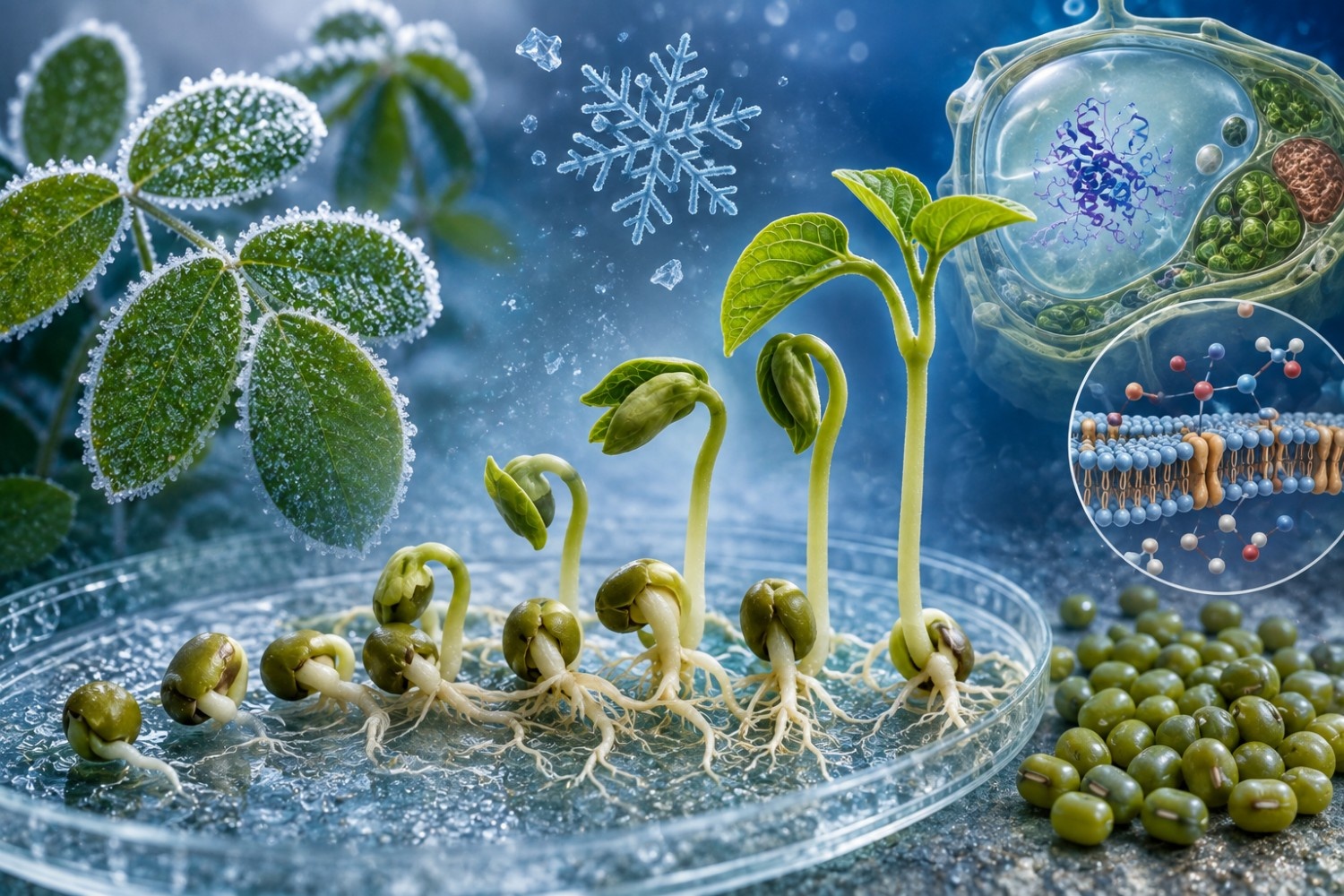
This study investigates the mechanisms underlying cold tolerance in mungbean (Vigna radiata L.) genotypes during germination. The findings identify key physiological and molecular responses associated with improved cold resilience, providing insights for developing cold-tolerant mungbean varieties.

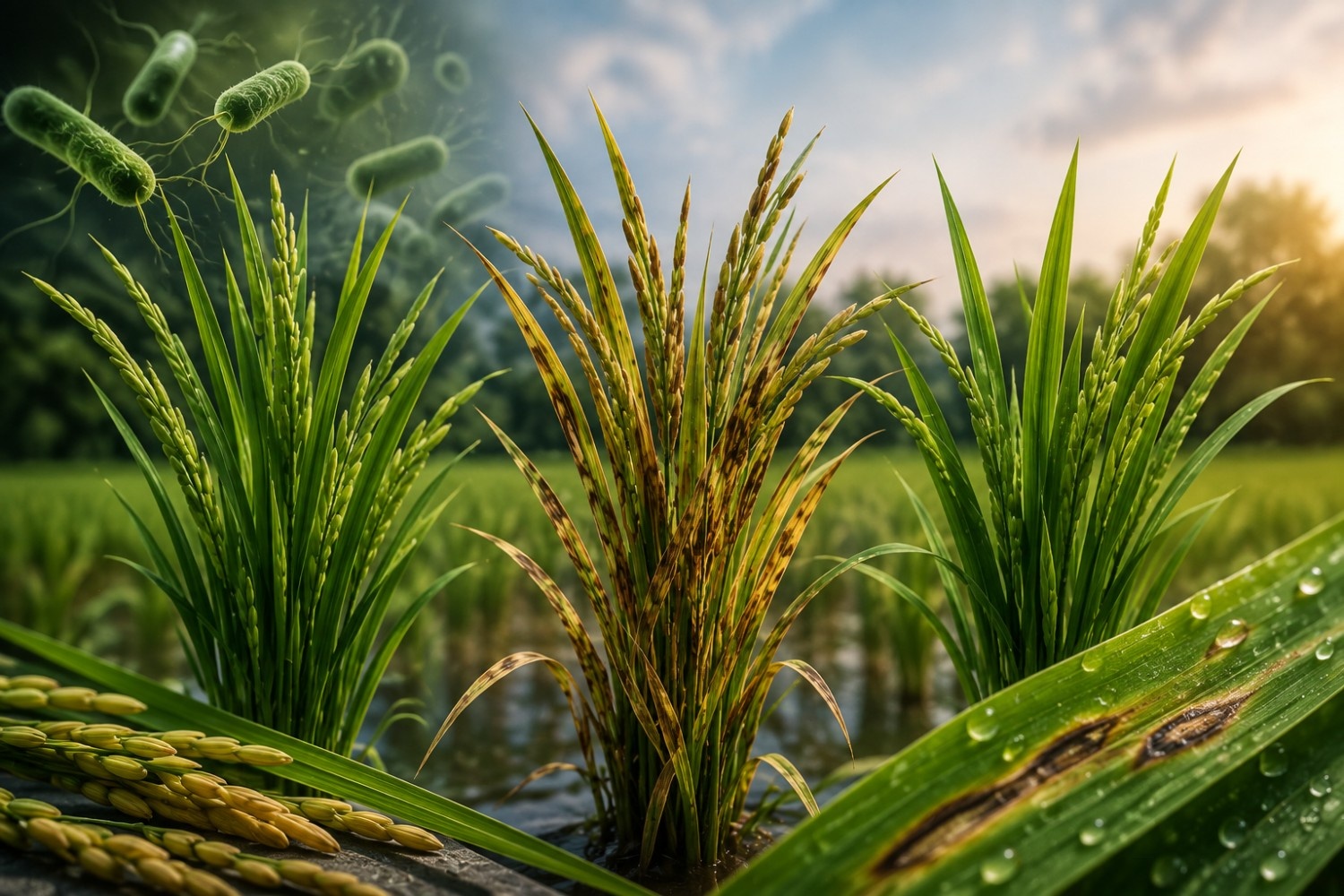
This study compares metabolite profiles of resistant, susceptible, and wild rice species in response to bacterial blight infection. The findings identify key metabolic changes associated with disease resistance, providing insights into the biochemical mechanisms underlying rice defense against bacterial pathogens.

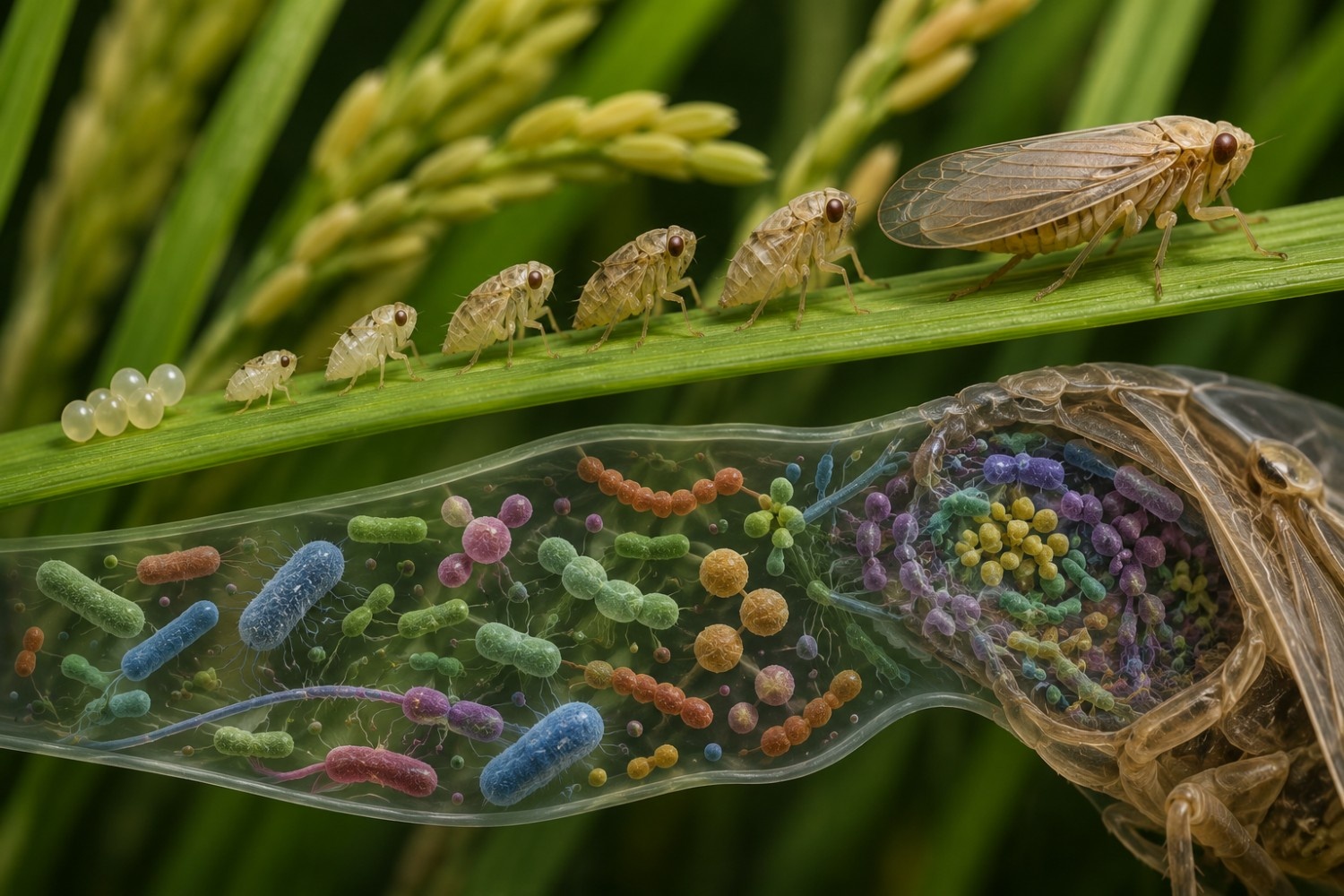
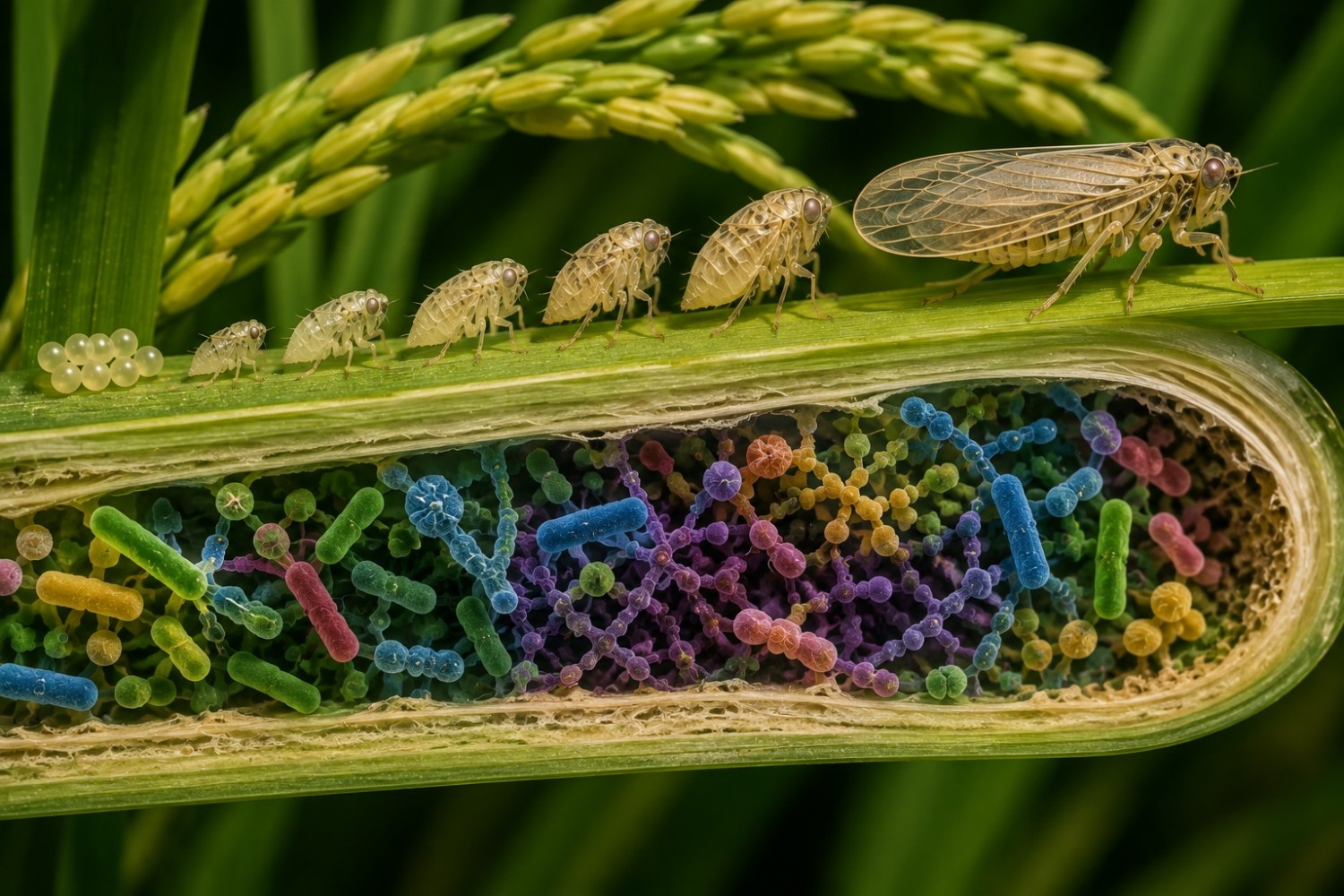
This study investigates the bacterial communities associated with different developmental stages of Nilaparvata lugens, revealing significant shifts in microbial composition and functional diversity. The findings highlight the dynamic role of bacterial communities in the development and biology of the brown planthopper.

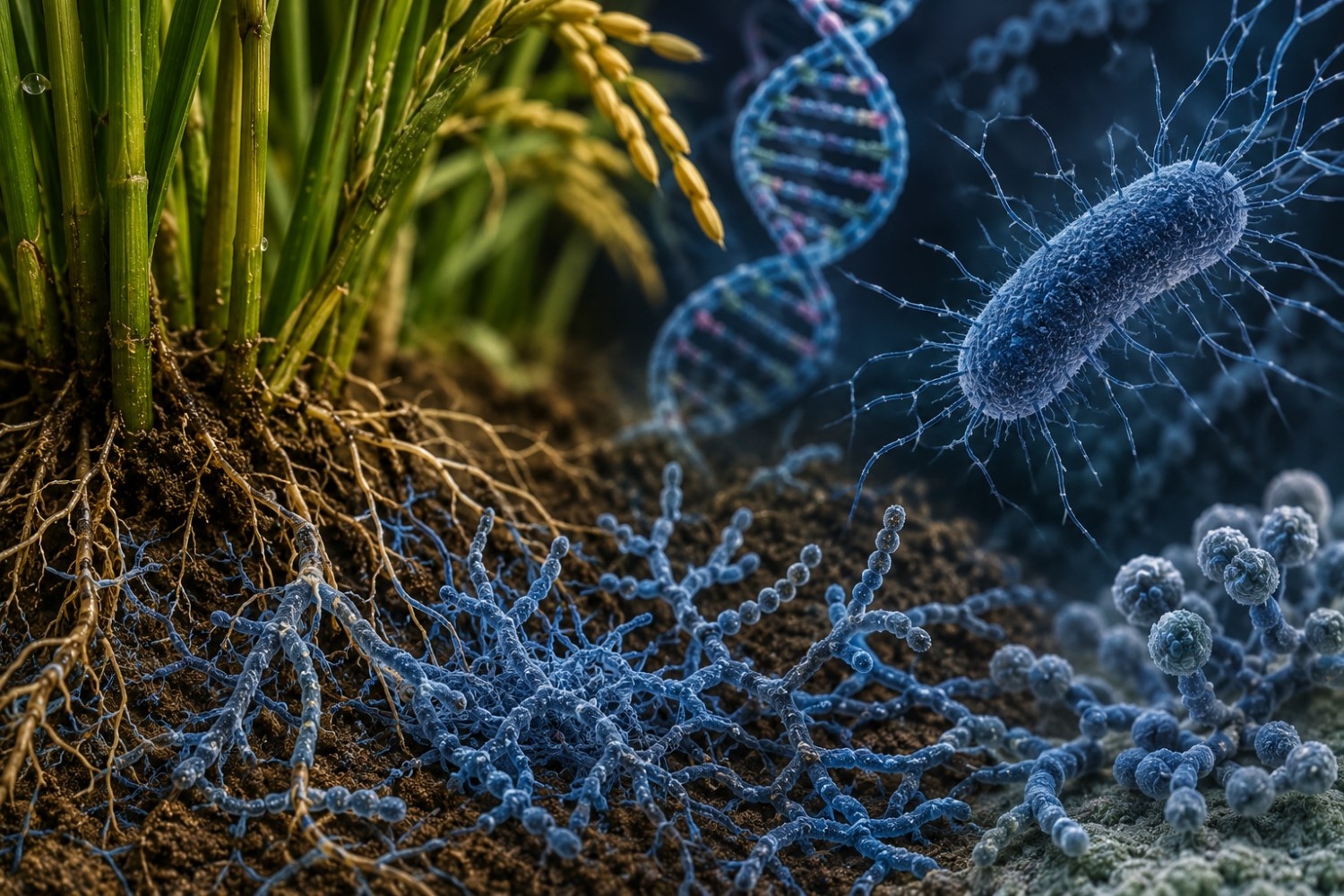
This study provides a comprehensive genomic characterization of Streptomyces caeruleatus S14 isolated from the rice rhizosphere. The findings reveal its genetic potential for beneficial plant–microbe interactions, secondary metabolite production, and traits that may support rice growth and health.

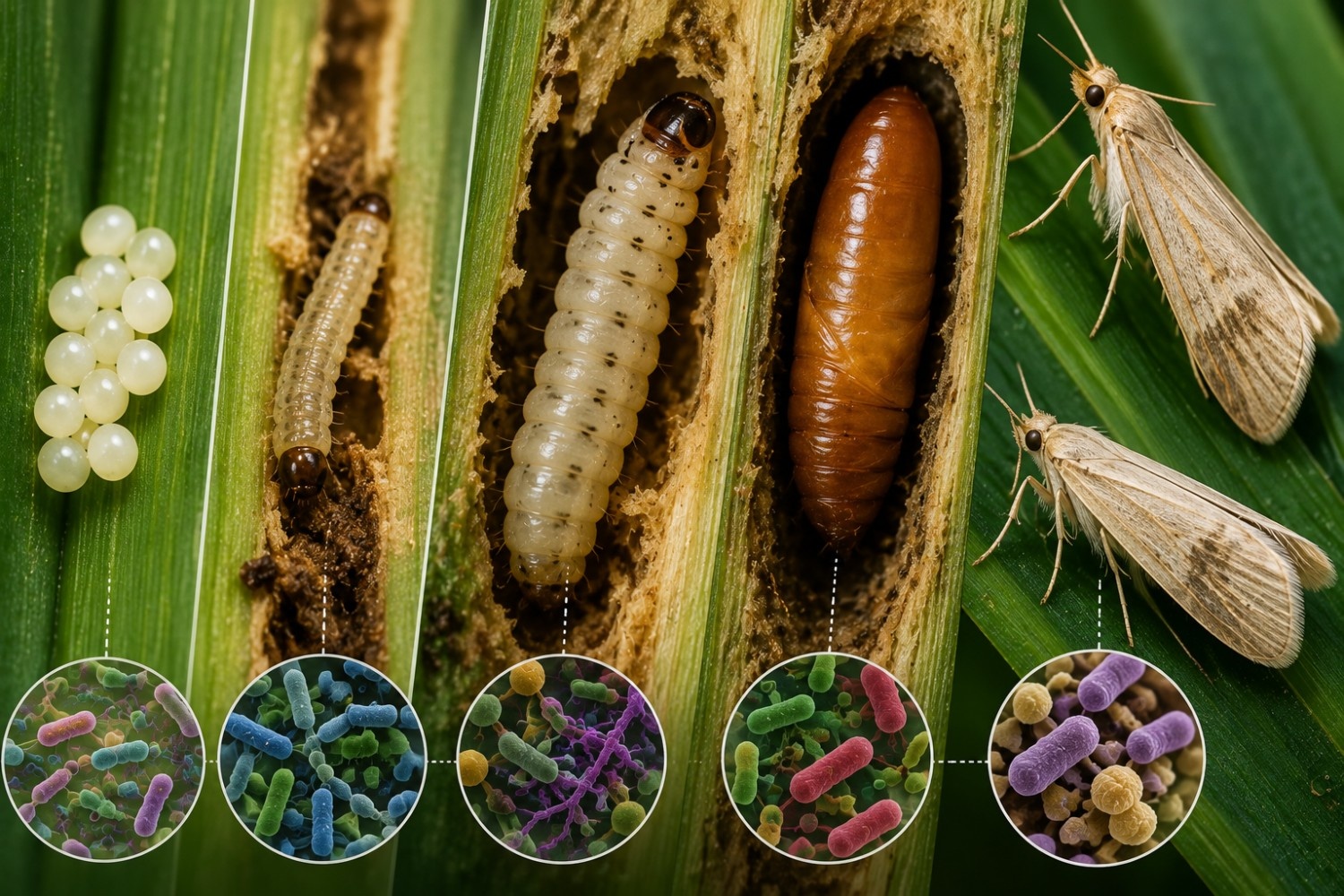
This study investigates the bacterial communities associated with different developmental stages of Scirpophaga incertulas, revealing significant variations in microbial composition and diversity. The findings provide insights into stage-specific insect–microbe interactions and the potential role of bacteria in the biology and development of the yellow stem borer.

This study reveals significant changes in bacterial community composition and functional diversity across the developmental stages of Nilaparvata lugens. The findings provide insights into stage-specific insect–microbe interactions and the potential role of associated bacteria in the biology and development of the brown planthopper.

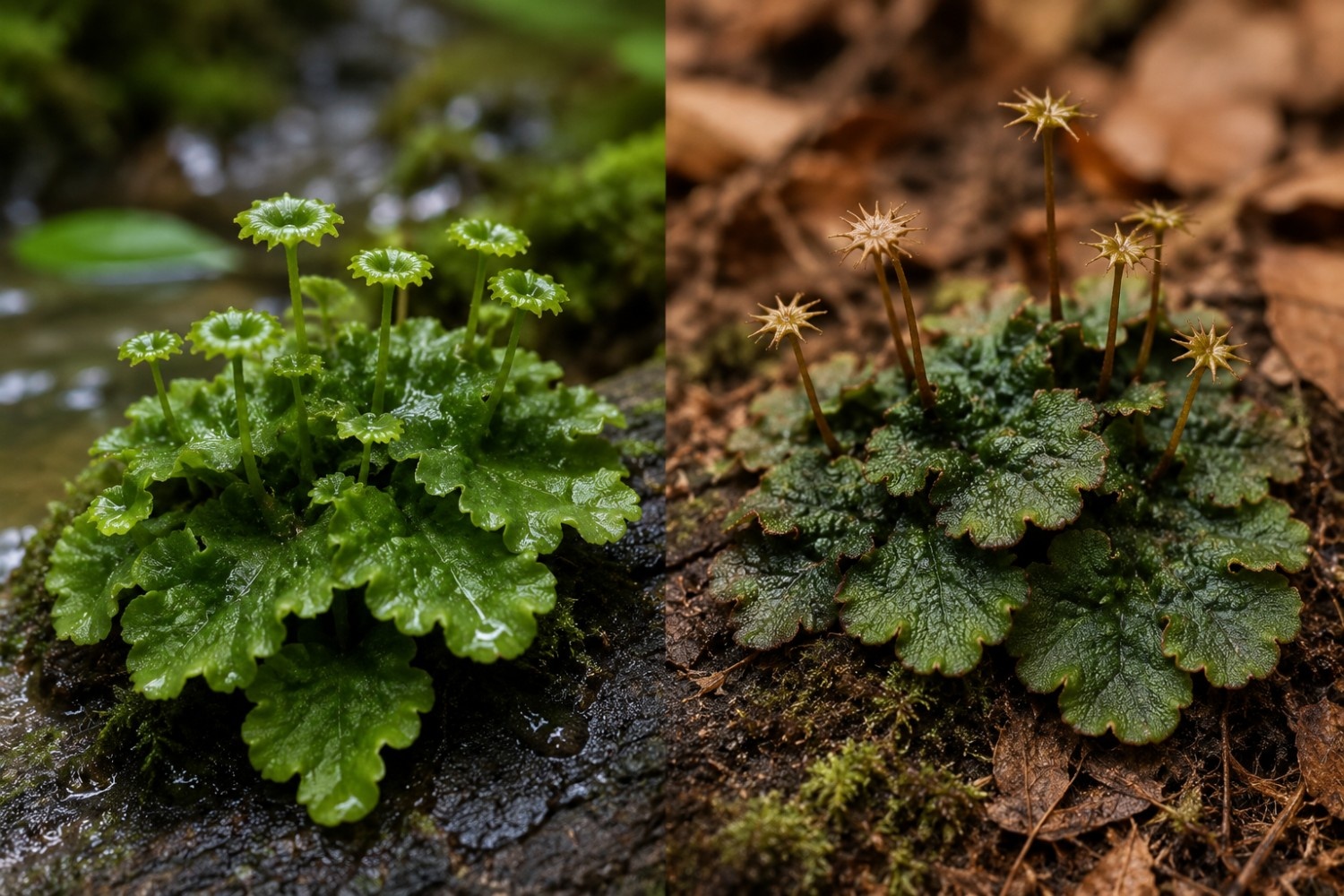
This study compares two evolutionarily divergent liverworts sharing the same habitat to uncover their distinct seasonal adaptation strategies. Using transcriptomic analysis, the findings reveal species-specific molecular responses that enable these liverworts to cope with seasonal environmental changes.

This study presents a high-quality telomere-to-telomere genome assembly of linseed (Linum usitatissimum L.), providing a comprehensive genomic resource for functional genomics. The findings support the identification of important genes and genomic regions to accelerate genetic improvement and breeding of linseed.

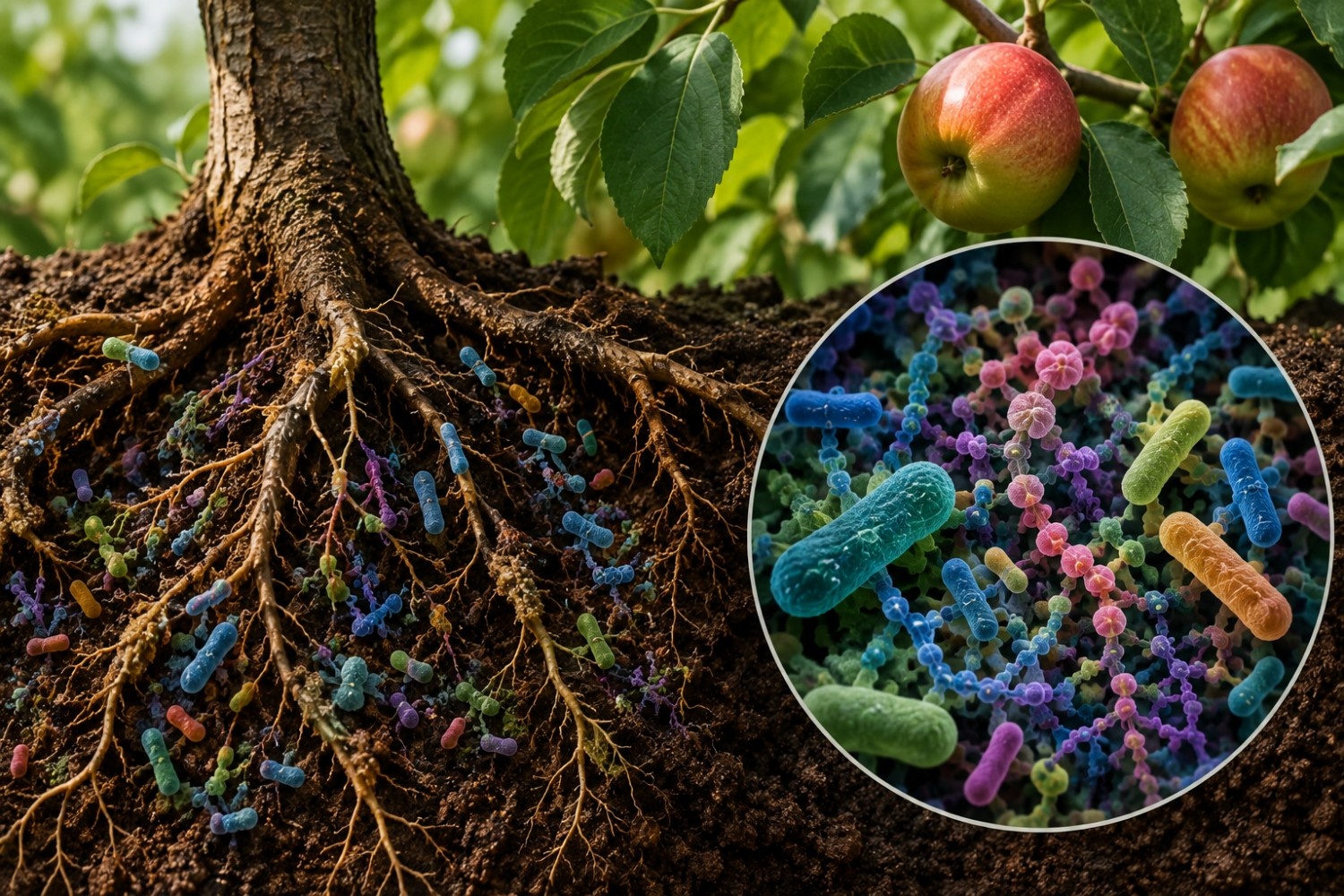
This study explores the bacterial diversity within the rhizobiome of apple rootstocks using metagenomic amplicon-based sequencing. The findings reveal the composition and diversity of root-associated bacterial communities, providing insights into their potential roles in plant health, growth, and rootstock performance

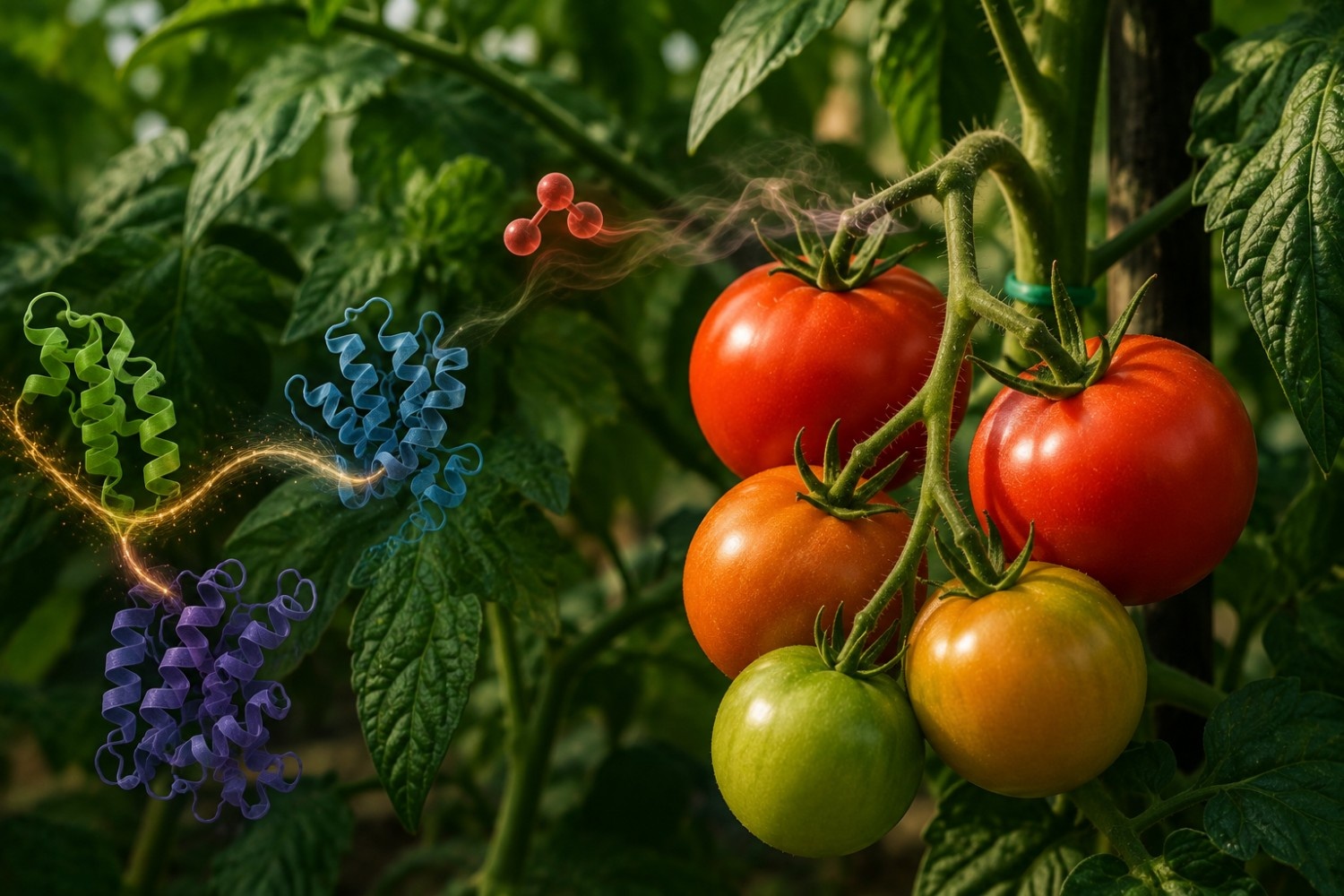
This study identifies SlERF.B1 as a key regulator of tomato fruit maturity and ripening through the interaction between auxin and ethylene signaling pathways. The findings reveal how SlERF.B1 regulates SlIAA2 and SlARF9A, providing new insights into the molecular control of fruit development and ripening.

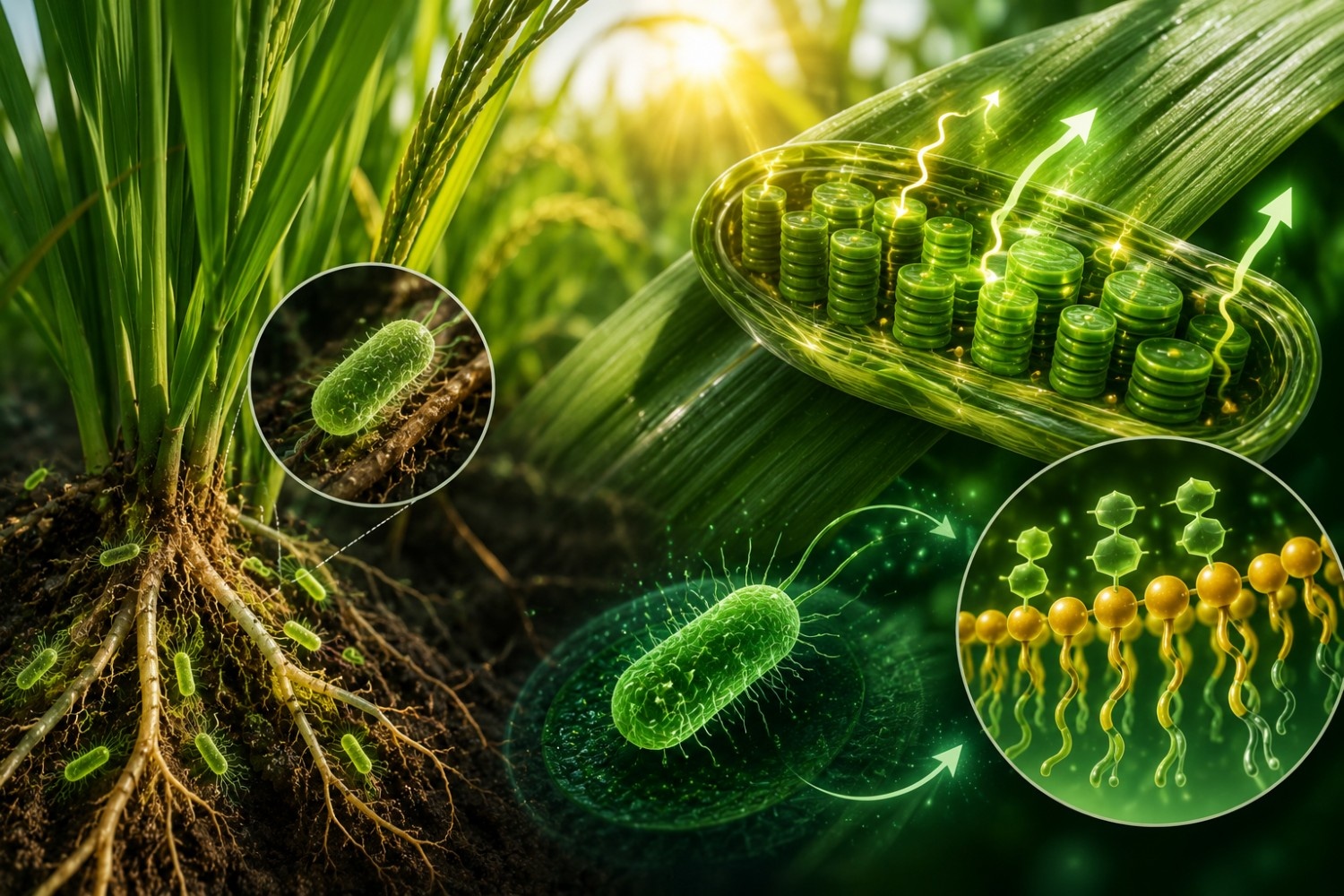
This study reveals that endophytic Pseudomonas oryzihabitans CB24 enhances plant photosynthesis by reprogramming membrane lipids, particularly monogalactosyldiacylglycerol. The findings highlight a beneficial plant–microbe interaction that supports photosynthetic efficiency and plant growth.

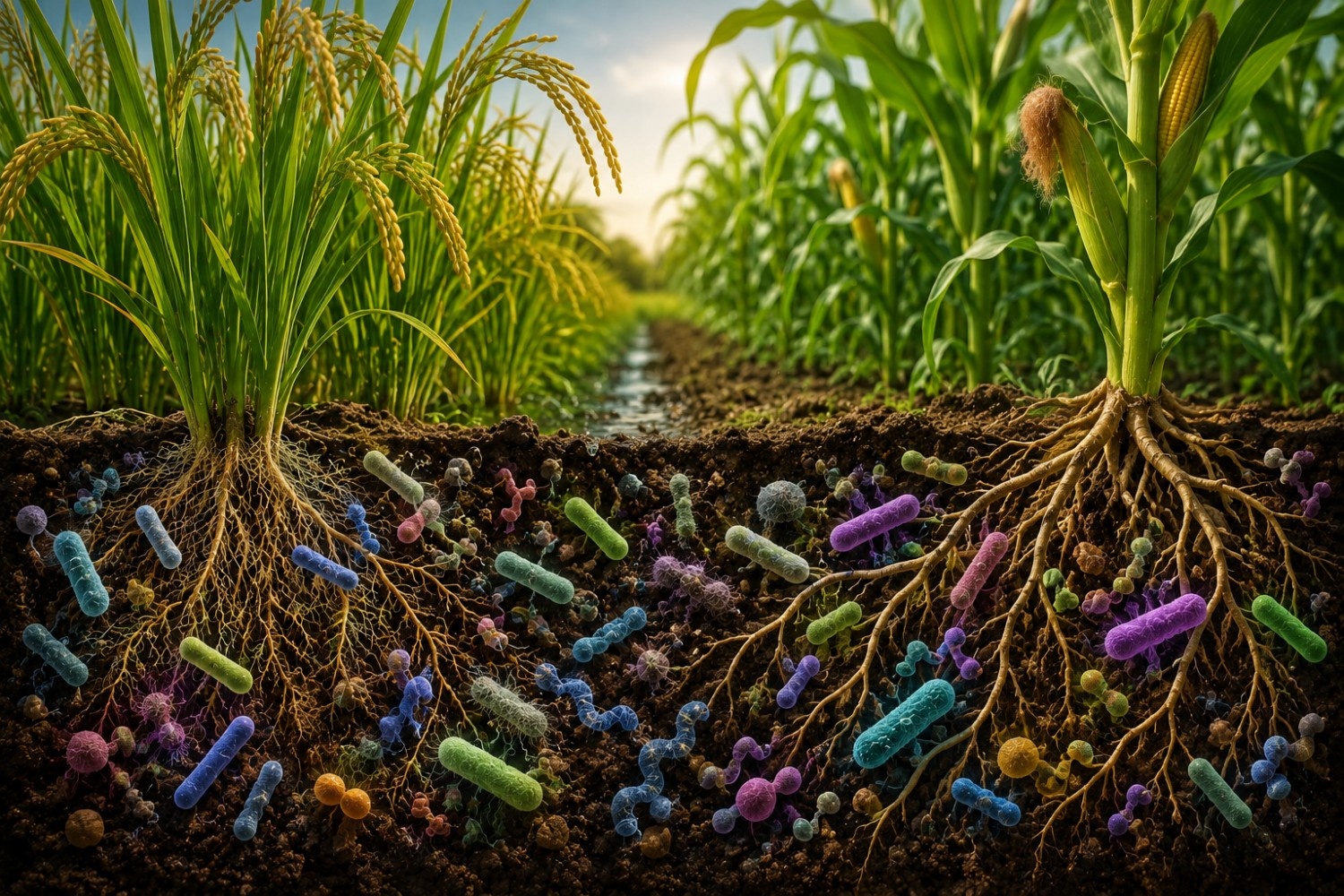
This study investigates how penoxsulam–pendimethalin application influences rhizobacterial diversity in rice–maize cropping systems. The findings reveal changes in root-associated bacterial communities, providing insights into the effects of herbicide application on soil microbial ecology and plant–microbe interactions.

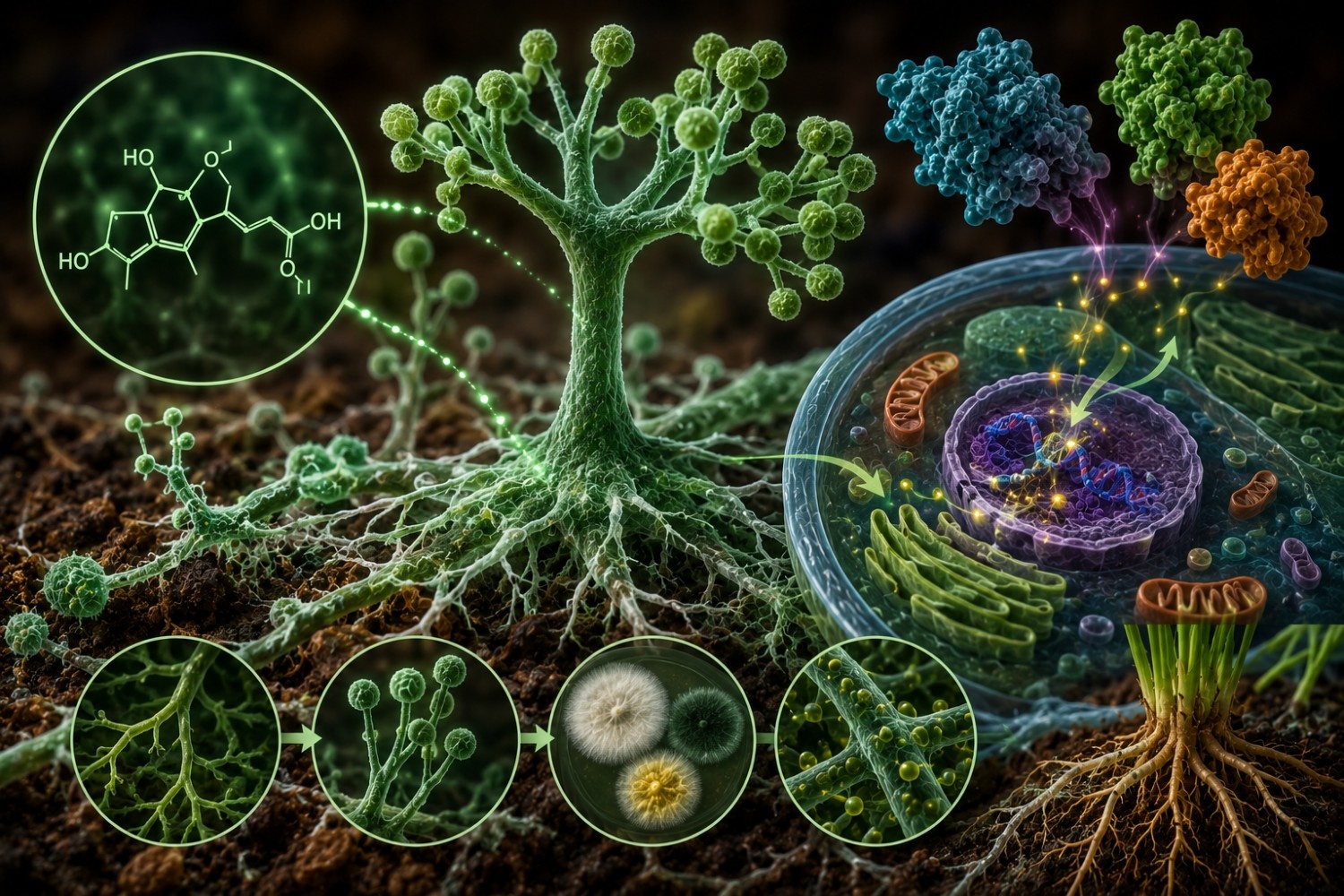
This study investigates whether heptelidic (koningic) acid acts as a microbial hormone regulating secondary metabolism in the biocontrol fungus Trichoderma virens. The findings provide insights into fungal signaling and the regulation of metabolites involved in biocontrol activity and microbial interactions.

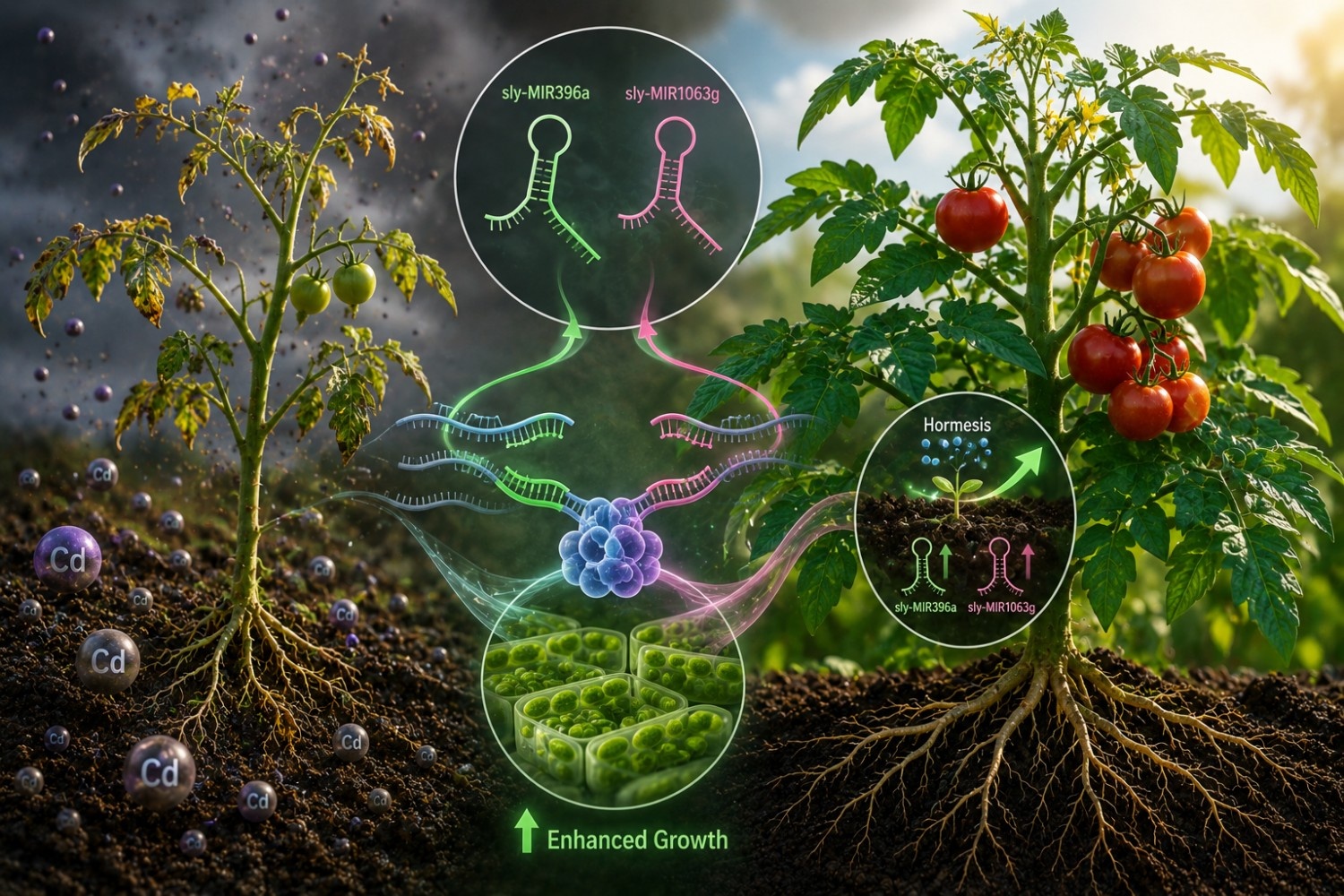
This study reveals that sly-MIR396a and sly-MIR1063g contribute to enhanced tomato growth under cadmium hormesis. The findings highlight the role of microRNA-mediated regulation in plant adaptation to low-level cadmium stress and provide insights into molecular mechanisms supporting growth under metal exposure.

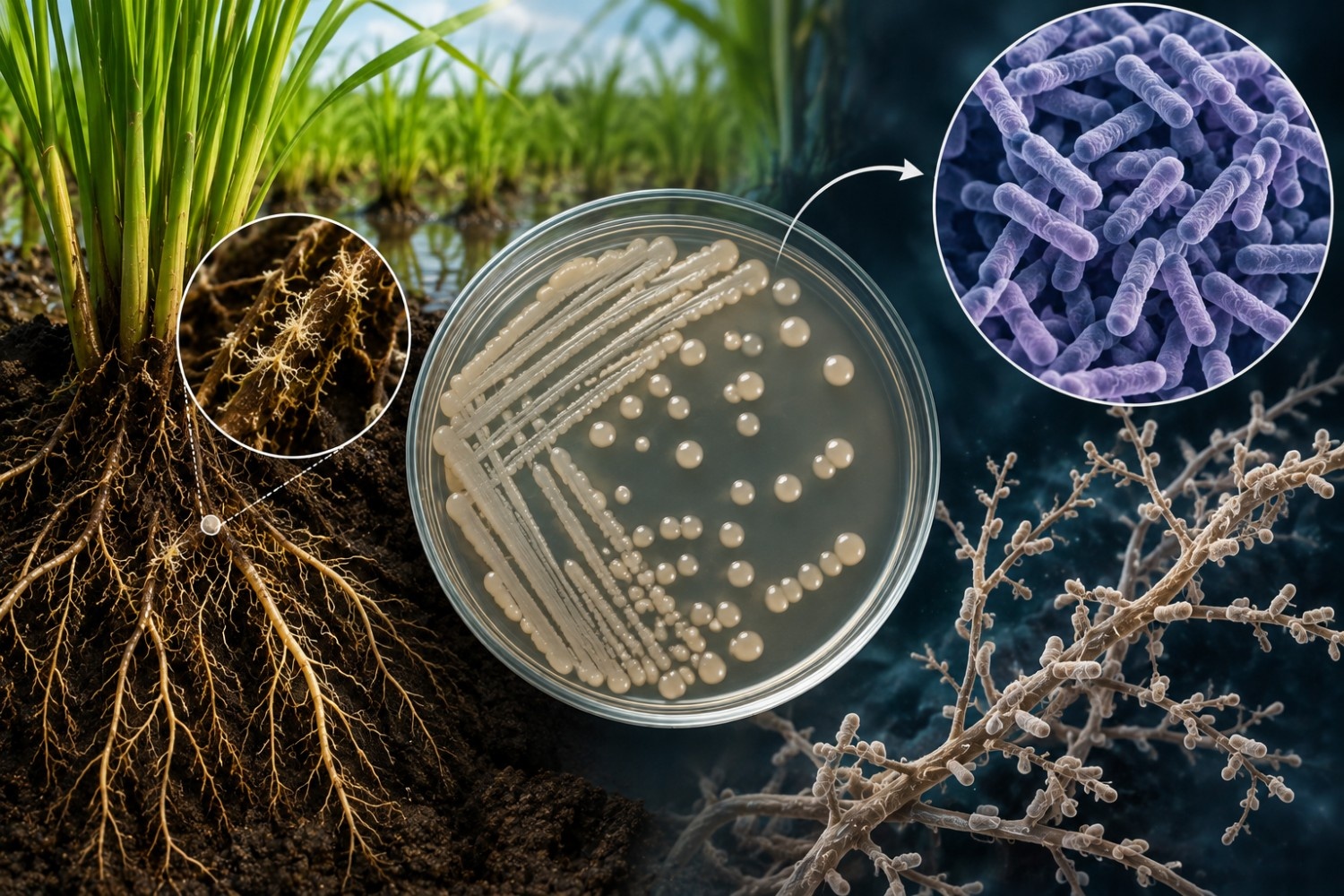
This study reports the isolation and characterization of the ammonium-excreting actinomycete Microbacterium bengalense sp. nov. GB16_1_BIT from the rice rhizosphere. The findings highlight its potential role in nitrogen cycling and beneficial plant–microbe interactions, offering prospects for sustainable agricultural applications.

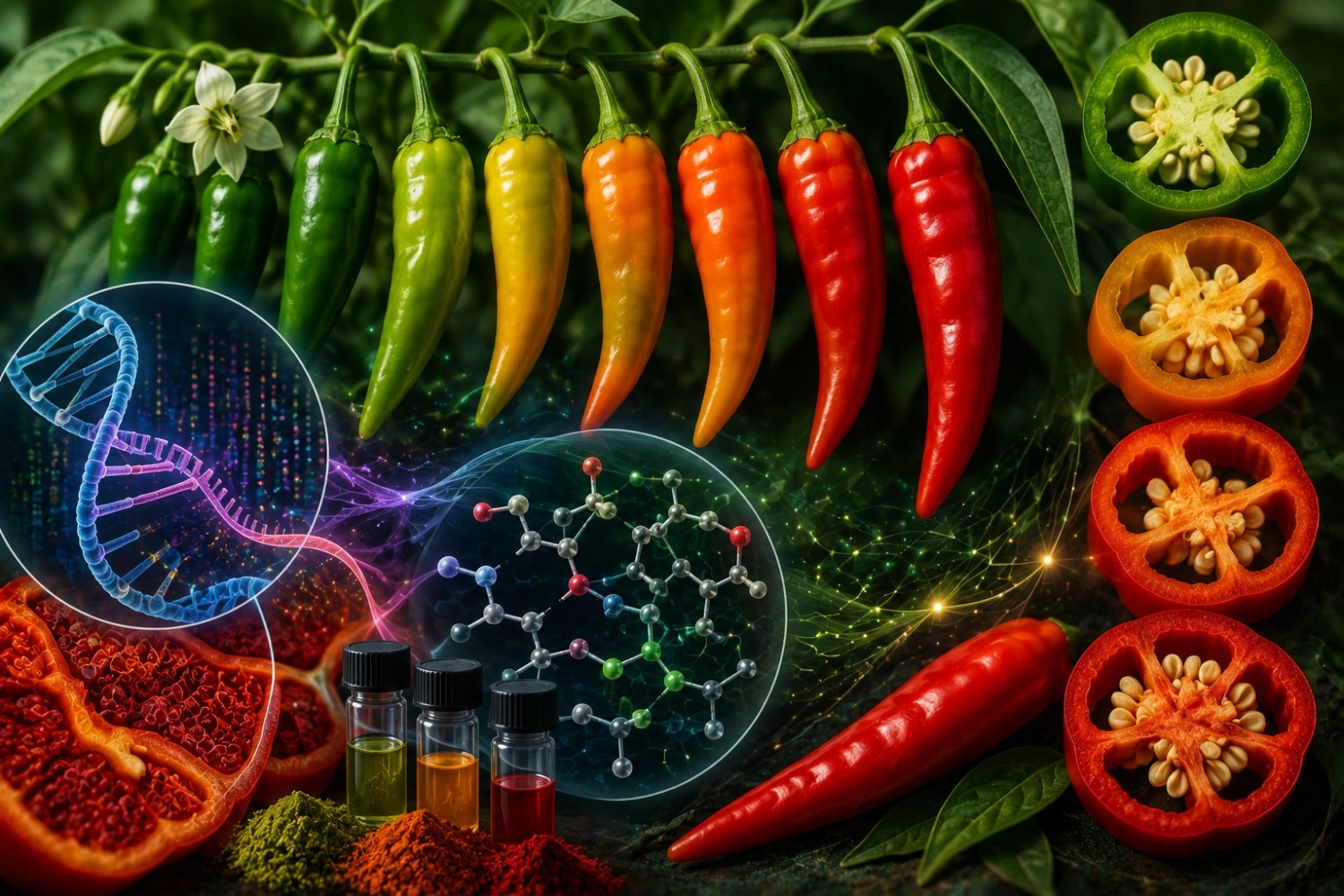
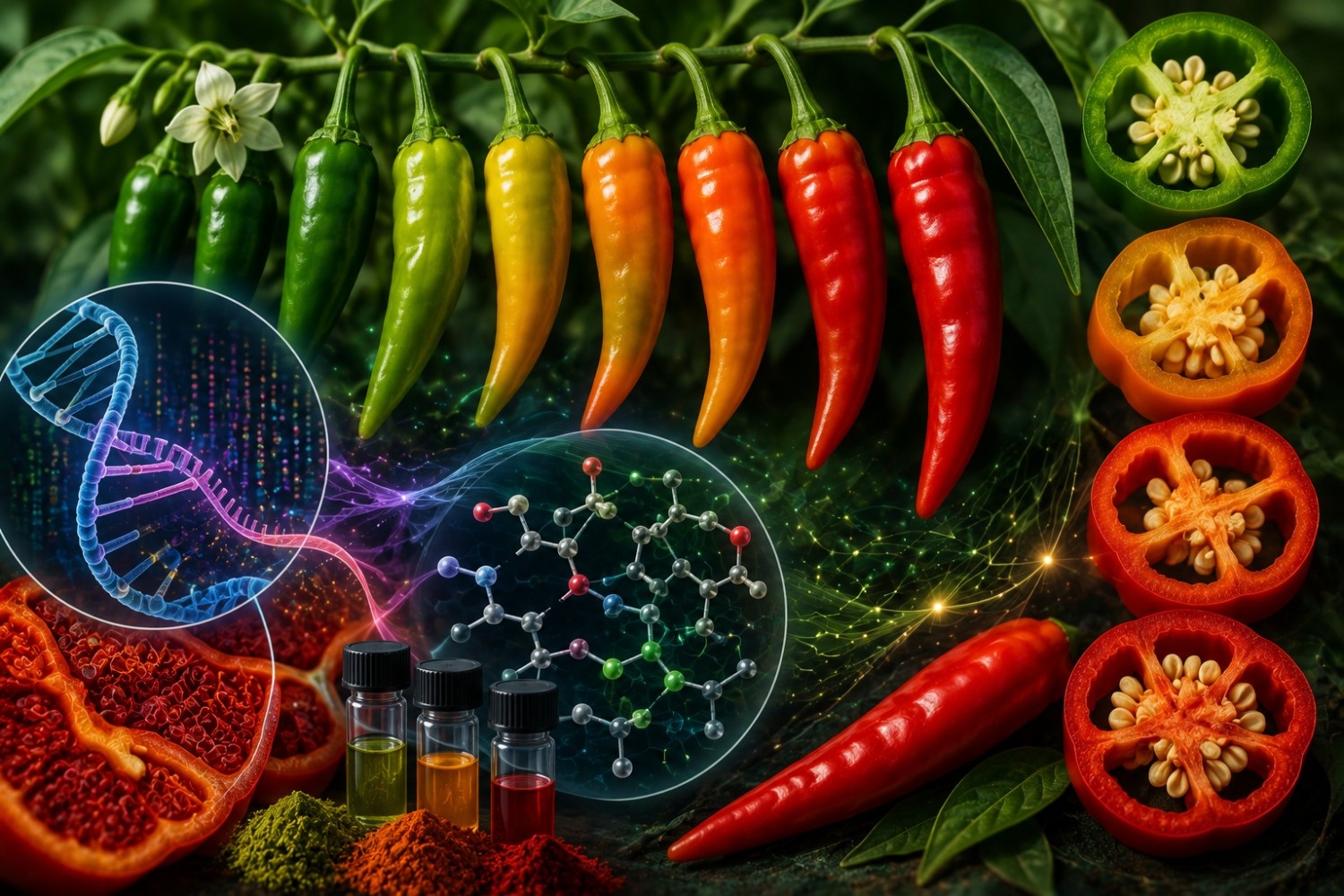
This study integrates transcriptomic and metabolomic analyses to identify novel genes and metabolites associated with fruit ripening and pigmentation in chilli pepper (Capsicum annuum L.). The findings provide insights into the molecular and metabolic pathways controlling colour development and fruit maturation.

This study uses metagenomic profiling to characterize the epiphytic bacterial communities associated with seaweeds from Chilika Lake. The findings reveal the diversity and composition of these microbial communities, providing insights into seaweed–bacteria interactions and their ecological roles in the aquatic ecosystem.

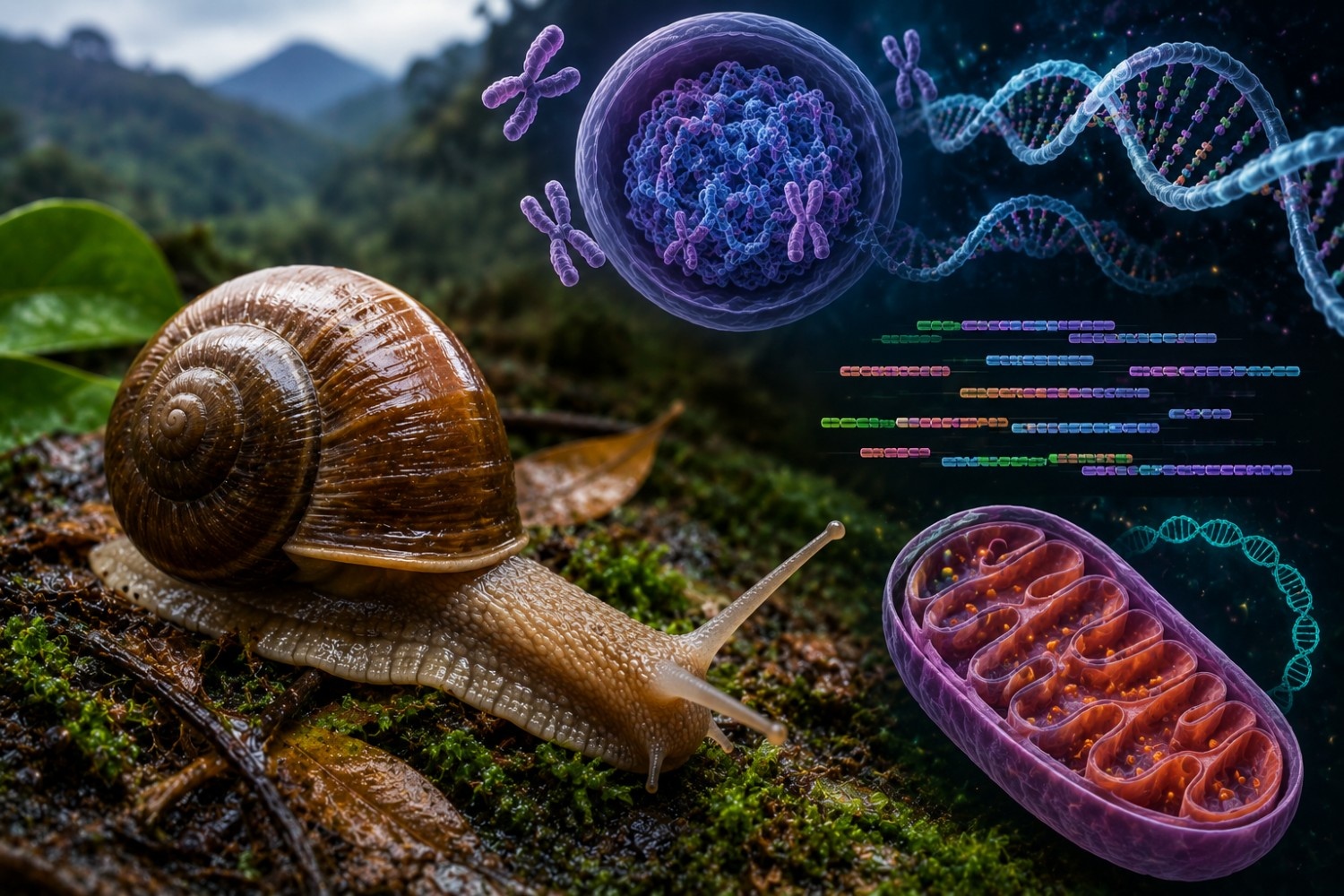
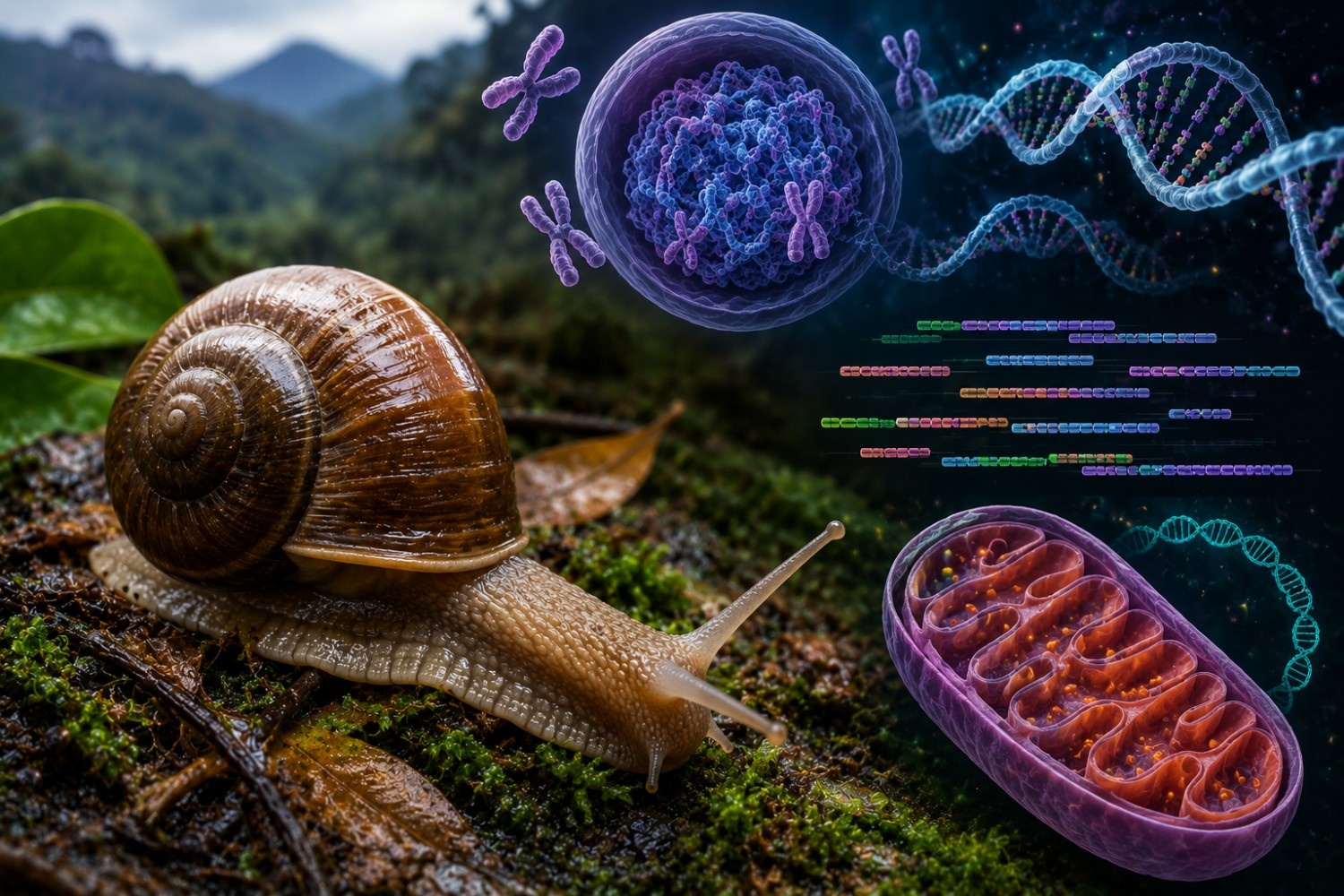
This study presents comprehensive nuclear and mitochondrial genome assemblies of Indrella ampulla, a terrestrial gastropod endemic to the Western Ghats. The genomic resources provide valuable insights into its evolutionary history, genetic diversity, and adaptation, supporting future studies on the conservation of this unique species.

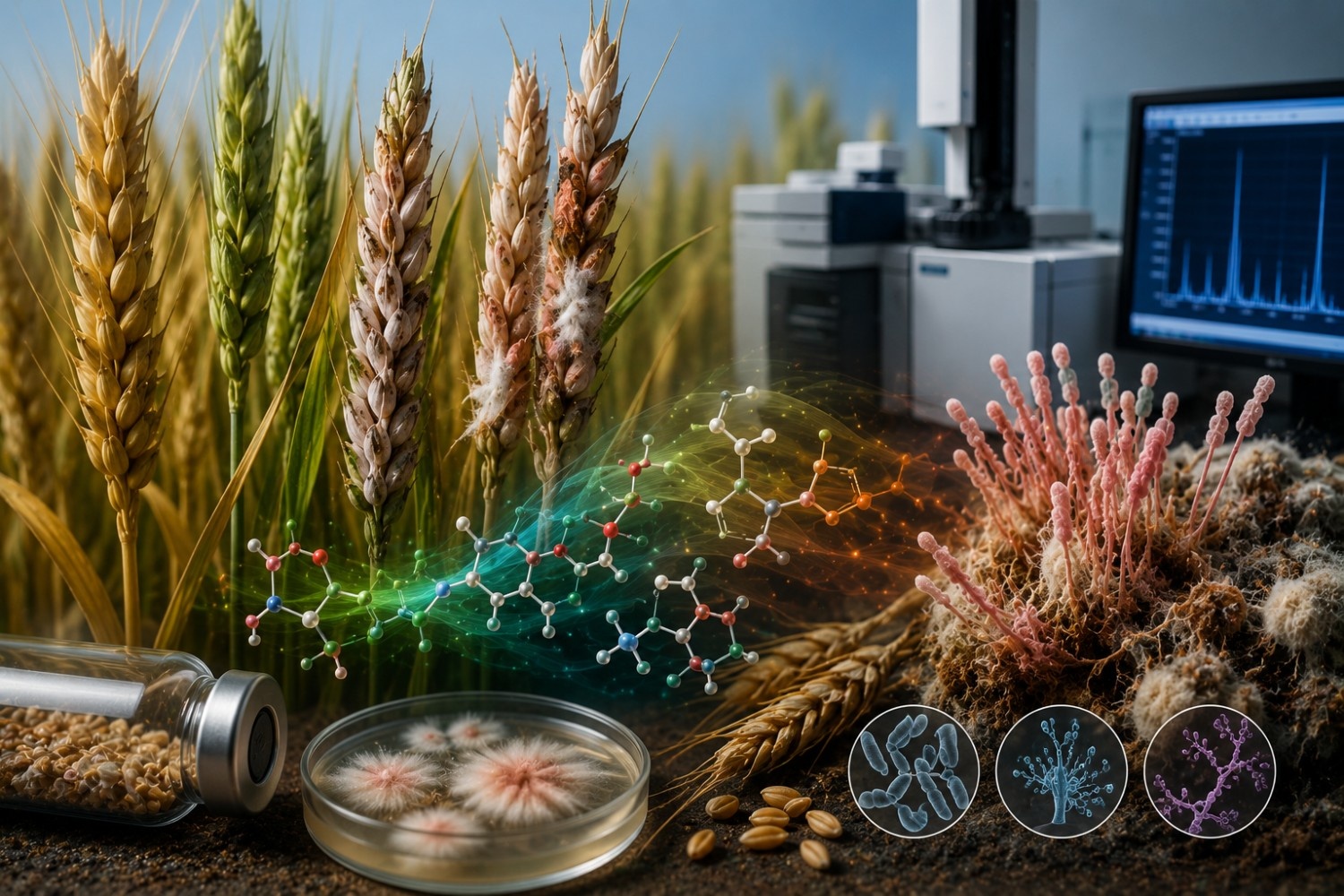
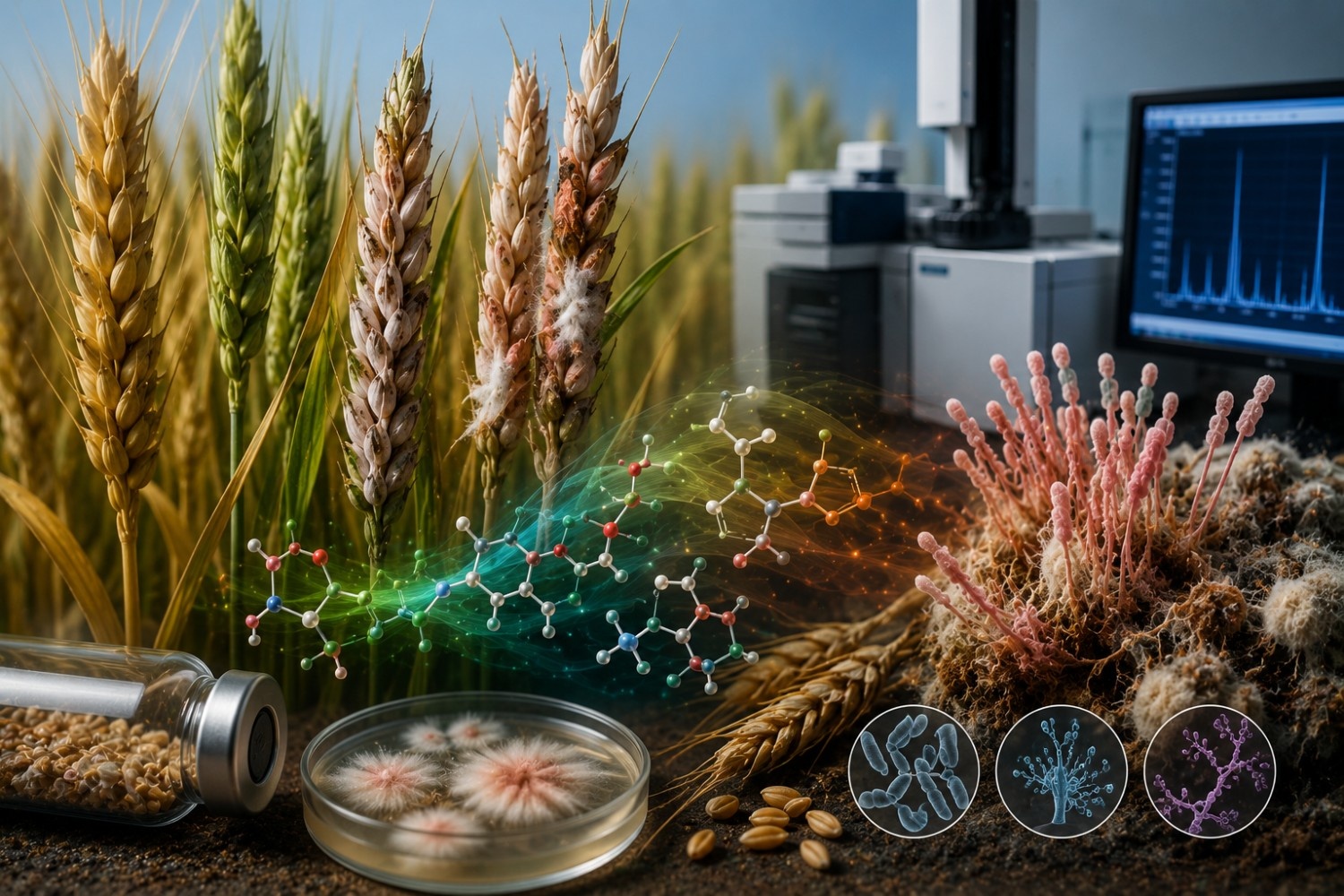
This study uses comparative metabolomics and GC–MS analysis to identify resistance-associated metabolites and potential mycotoxin targets in wheat challenged with Fusarium graminearum. The findings provide insights into metabolic defense mechanisms that may contribute to wheat resistance against Fusarium head blight.

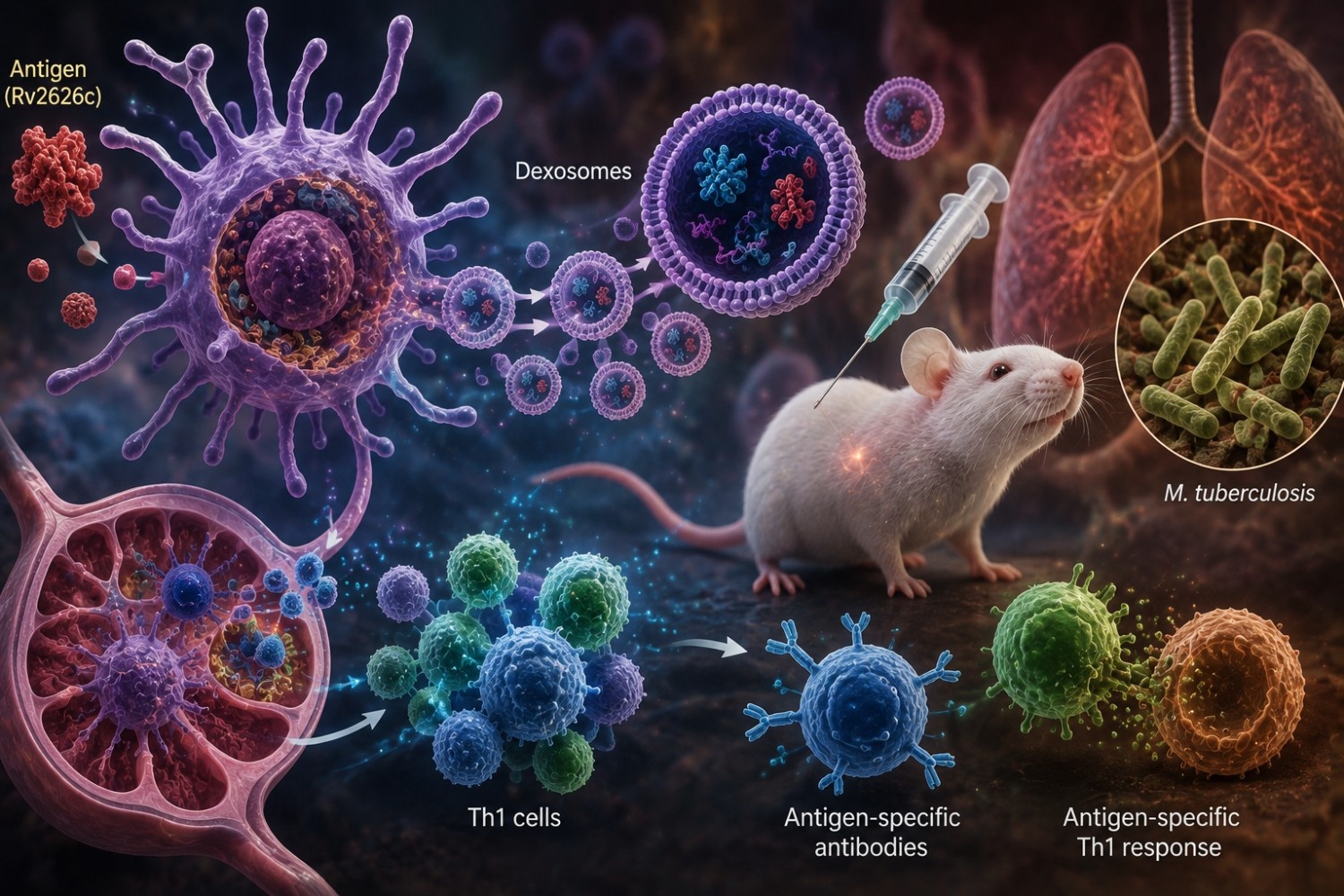
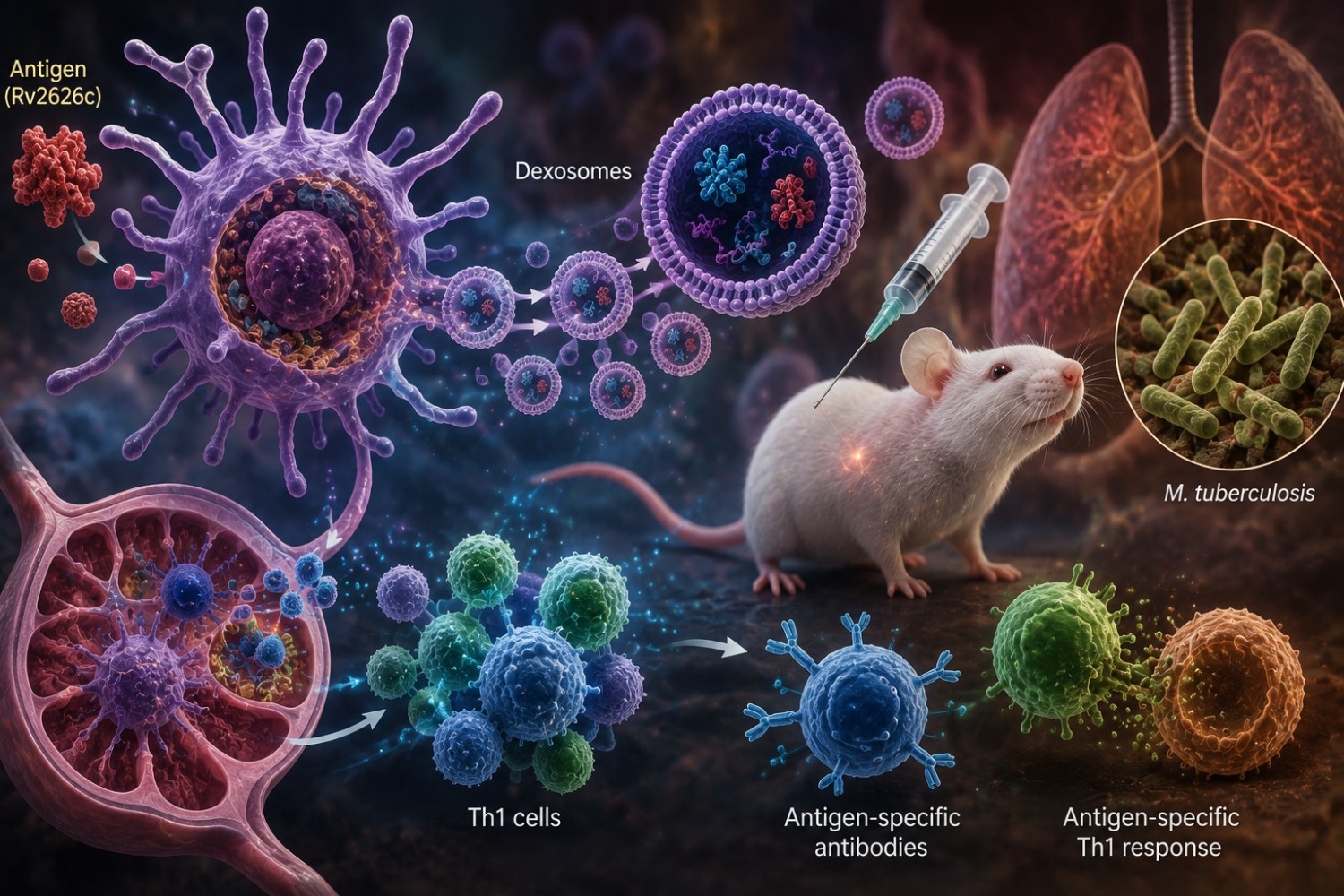
This study explores antigen-pulsed dendritic cell-derived dexosomes as a strategy to enhance immune responses against the latent Mycobacterium tuberculosis antigen Rv2626c. The findings demonstrate strong Th1-biased humoral and cellular immunity, highlighting their potential for tuberculosis vaccine development.